Neapolitan Margherita at Home
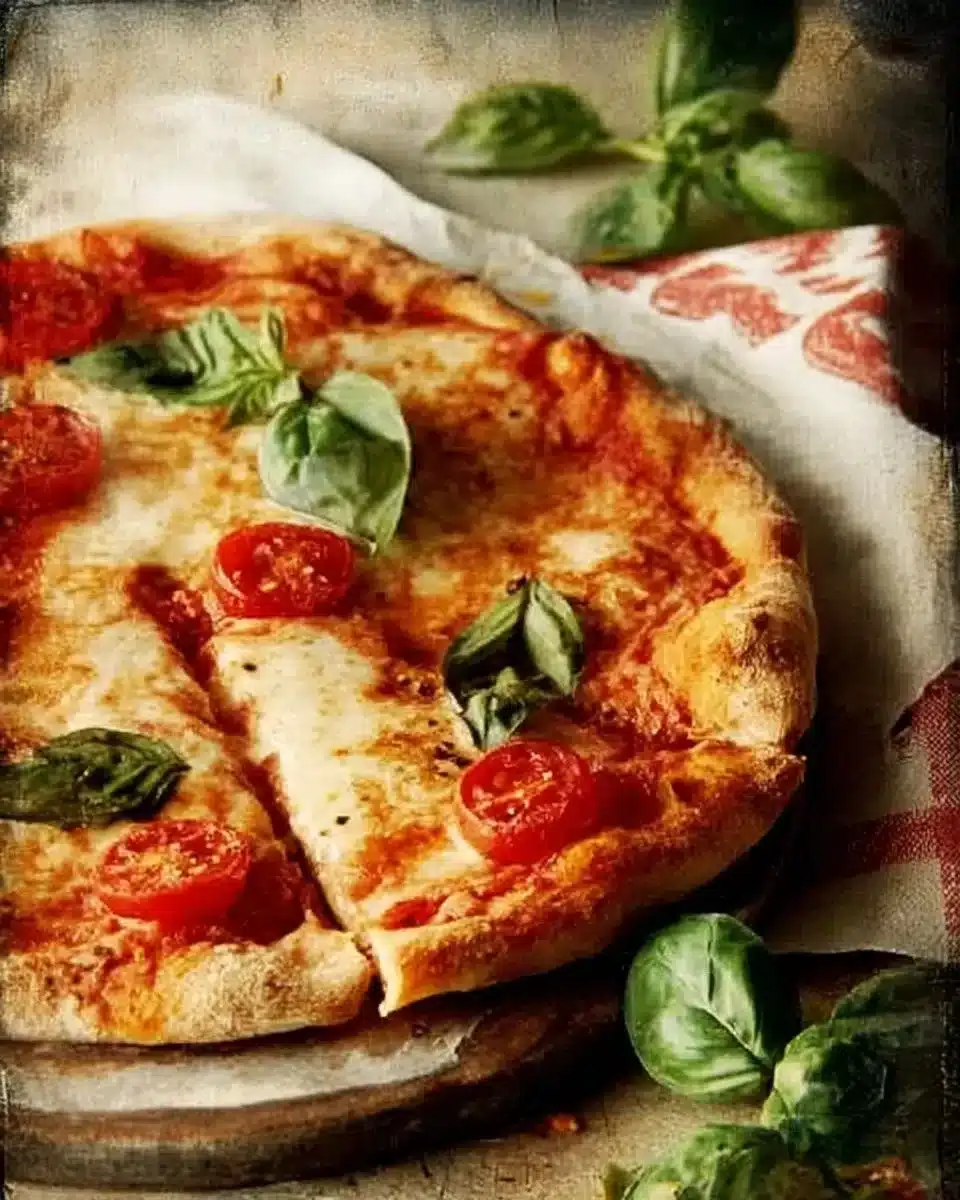
The scent of blistered tomato, warm mozzarella, and fresh basil tells you this is real pizza — a Classic Neapolitan Margherita that eats like summer. After testing this recipe eight times using Caputo 00 flour and both a pizza steel and a baking stone, I refined the dough and oven routine so home cooks get a light, pillowy crust and the right char. I developed this version during a summer at a wood-fired pizzeria and adapted it for regular ovens. The technique focuses on high hydration, short handling, and a single cold ferment to build flavor without fuss. Read on for precise measurements, step-by-step shaping, and oven tricks that bring Neapolitan texture to an ordinary kitchen.
Why this recipe works
- High hydration (about 60%) yields an open, airy crumb with a soft interior and thin center.
- Short mixing and gentle shaping prevent degassing and keep the rim puffed and light.
- A long, cold ferment (24 hours) develops flavor without too much yeast tang.
- Browning comes from a very hot cooking surface (steel or stone) and minimal toppings.
- Using double-zero (00) flour gives a tender crust that stretches thin without tearing.
Ingredients breakdown
- Dough
- 500 g (4 cups) Caputo 00 flour — the finely milled texture creates a tender, extendable dough. You can use all-purpose flour, but the crust will be slightly chewier.
- 325 ml (1 1/3 cups) cold water — hydrates the flour and controls fermentation speed. Warmer water speeds the yeast; colder slows it.
- 15 g (1 tbsp) fine sea salt — enhances flavor and strengthens gluten. If using Morton kosher salt, use about 10 g.
- 2 g (1/2 tsp) instant yeast — small amount for a slow, flavorful rise. You can use 6 g (1½ tsp) active dry yeast; bloom in warm water first.
- 15 ml (1 tbsp) extra-virgin olive oil (optional) — helps with handling and adds mouthfeel; traditional Neapolitan often omits oil.
- Sauce
- 400 g (14 oz) canned San Marzano tomatoes, crushed by hand — bright, sweet tomato flavor. Avoid adding sugar; keep it fresh.
- 1/4 tsp fine sea salt — seasons the sauce; add more to taste.
- 1 small garlic clove, minced (optional) — adds depth; omit for a purer tomato flavor.
- Topping
- 200 g (7 oz) fresh whole-milk mozzarella, torn and drained — tear rather than shred to prevent excess moisture. For less moisture, slice and drain on paper towels.
- Fresh basil leaves — added after baking for aroma.
- Drizzle of good extra-virgin olive oil after baking.
- Notes on substitutions
- Gluten-free: Use a 1:1 GF blend and add 1/2 tsp xanthan gum. Texture will differ.
- Vegan: Replace mozzarella with a high-quality plant-based ball; expect different melt and moisture.
- Brand recommendations matter: use Caputo 00 flour for closest Neapolitan texture and San Marzano tomatoes for authentic sauce flavor.
Essential equipment
- Pizza steel or baking stone (minimum 12-inch / 30 cm). A steel heats and holds heat better; stone is a good alternative.
- Pizza peel (wood for transferring, metal for sliding) or an inverted baking sheet.
- Digital scale — precise weights are crucial for dough consistency.
- Instant-read thermometer — check dough/water temp and oven surface if possible.
- Stand mixer with dough hook (optional). Hand-kneading works; mix 6–8 minutes by hand.
- Oven thermometer (if your oven runs hot or cool). If you don’t have a stone or steel, use an inverted heavy cast-iron skillet as a makeshift surface.
Step-by-step instructions
Servings: 2 pizzas (serves 4) — Prep time: 25 minutes active — Cook time: 10 minutes — Inactive time: 24 hours — Total time: 24 hr 35 min
Step 1: Measure and combine the dough ingredients
Weigh 500 g (4 cups) Caputo 00 flour into a large bowl and add 2 g (1/2 tsp) instant yeast. Pour 325 ml (1 1/3 cups) cold water and stir until a shaggy mass forms, about 2 minutes. Let this rest for 20 minutes (autolyse), which improves gluten development with no effort.
Step 2: Add salt and finish the dough
After the rest, sprinkle 15 g (1 tbsp) fine sea salt over the dough and add 15 ml (1 tbsp) olive oil if using. Knead in the bowl or on a clean surface for 4–6 minutes until the dough is smooth and slightly tacky. Do not overmix — stop as soon as the dough is cohesive and elastic.
Step 3: Bulk ferment and cold retarder
Place the dough in a lightly oiled container and cover. Let rise at room temperature for 1 hour, then transfer to the refrigerator for 24 hours to ferment slowly. This cold ferment deepens flavor and makes the dough easier to handle.
Step 4: Divide and rest the dough
Remove the dough from the fridge and divide into two equal balls (~250 g / 8.8 oz each). Shape into tight rounds and let rest at room temperature for 2 hours covered, until relaxed and slightly puffy. The dough should feel airy when pressed.
Step 5: Preheat the oven and prepare the surface
Place a pizza steel or stone on the top rack and preheat the oven to its highest setting — 260–290°C (500–550°F) — for at least 45 minutes. If using an inverted cast-iron skillet, place it in the oven to heat. Dust your peel with semolina or flour to prevent sticking.
Step 6: Shape the pizzas
On a lightly floured surface, gently press a dough ball into a 25–28 cm (10–11 inch) circle, leaving a 1–2 cm (1/2–1 inch) rim. Use your fingers and knuckles to stretch — do not use a rolling pin or you will deflate the air pockets. This should take about 2–3 minutes per pizza.
Step 7: Top sparingly
Spread 100–120 g (1/2 cup) crushed San Marzano tomatoes over each base, leaving the rim bare. Add 100 g (3.5 oz) torn mozzarella per pizza in small pieces. Less is more — heavy toppings prevent blistering. Drizzle a teaspoon of olive oil if desired.
Step 8: Bake quickly and watch the char
Slide the pizza onto the preheated steel or stone. Bake at 260–290°C (500–550°F) for 90–120 seconds if your oven and surface are very hot, or 6–8 minutes in most home ovens at 260°C (500°F). Bake until the rim is puffed, blistered, and slightly charred and the center is set. Remove and top with fresh basil and a drizzle of oil.
Expert Tips & Pro Techniques
- Common mistake: Overworking dough and rolling it flat. Avoid this to keep the airy rim.
- Use cold water and a long cold ferment for deeper flavor with less yeast. This also improves digestibility.
- If your oven maxes at 260°C (500°F), place the steel on the top rack and use the broiler for the last 30–60 seconds to encourage charring.
- Drain and pat mozzarella dry for 15 minutes on paper towels to prevent a soggy center.
- Make-ahead: The dough can ferment in the fridge up to 48 hours. For longer storage, freeze dough balls after the first rise for up to 1 month.
- Professional shortcut: Stretch the dough with a quick 10-second spin (if comfortable) to get even thinness; otherwise use knuckle stretching.
- Use semolina on the peel for a quick slide; if the dough sticks, lift corners and add a pinch more semolina — don’t scrape the peel against the surface.
Storage & Reheating
- Refrigerator: Store leftover pizza in an airtight container for up to 3 days. Lay parchment between slices to prevent sticking.
- Freezer: Pizza freezes well. Wrap slices tightly in plastic and foil, or flash-freeze on a tray then transfer to a bag. Freeze up to 2 months. Thaw in the fridge overnight before reheating.
- Reheating: Reheat on a pizza stone or steel at 230°C (450°F) for 6–8 minutes, or in a 175°C (350°F) oven for 10–12 minutes covered with foil to avoid over-browning. Avoid microwaving — it makes the crust soggy.
Variations & Substitutions
- Gluten-Free Version: Replace 500 g flour with a 1:1 GF blend and add 1/2 tsp xanthan gum. Hydration may need a 5–10% increase; bake a few minutes longer.
- Vegan Margherita: Use a plant-based mozzarella substitute and skip the cheese if desired. Keep shaping and bake the same.
- Extra Crispy Home Oven: Reduce dough hydration to 55% (275 ml water for 500 g flour) and prebake crust for 2–3 minutes before adding toppings. This yields a firmer base.
- Charred Herb Variation: Add a few chopped oregano leaves to the sauce and finish with basil oil after baking. No change to times.
- Whole-Wheat Blend: Replace up to 25% of the flour with whole-wheat; add 10–15 ml (2–3 tsp) extra water and expect a chewier crust.
Serving suggestions & pairings
- Simple arugula salad with lemon vinaigrette for a peppery contrast.
- Charred broccolini or garlic roasted potatoes for a hearty side. [Pair with our Garlic Roasted Potatoes].
- Light Italian red wine like Chianti or a crisp lager to balance the cheese and char.
- Finish with flaky sea salt and a few basil chiffonades.
Nutrition information (per serving)
Serving size: 1/2 pizza (recipe makes 2 full pizzas; serves 4)
- Calories: 520 kcal
- Total Fat: 18 g
- Saturated Fat: 7 g
- Cholesterol: 40 mg
- Sodium: 760 mg
- Total Carbohydrates: 64 g
- Dietary Fiber: 3 g
- Sugars: 6 g
- Protein: 18 g
Nutrition values are estimates. Actual values may vary based on specific ingredients and preparation methods.
Frequently Asked Questions
Q: Why did my pizza crust turn out dense instead of airy?
A: Dense crust usually means under-hydration, overworking, or insufficient fermentation. Use the exact weights, avoid rolling the dough, and allow the 24-hour cold ferment.
Q: Can I make this without fresh mozzarella?
A: Yes. Use low-moisture shredded mozzarella, but expect a different melt and texture. If using fresh mozzarella, drain it well.
Q: Can I double this recipe to make more pizzas?
A: Yes, you can double or triple the dough. Use larger containers and keep the same hydration and yeast percentage. Give each dough ball space to rise.
Q: Can I prepare this the night before?
A: Absolutely. Make the dough the day before, cold ferment for 24 hours, then shape and bake the next day. You can also assemble and refrigerate briefly before baking.
Q: How long does leftover pizza keep in the fridge?
A: Store in an airtight container for up to 3 days. Reheat in a hot oven for best texture.
Q: Why did my pizza burn on the bottom?
A: Common causes are too-high direct heat from the steel/stone too close to elements, or sugar in the sauce. Move the stone down one rack or lower the broiler use.
Q: Is a pizza steel worth it for home bakers?
A: Yes — a steel stores and transfers heat more efficiently than a stone, producing quicker blistering and better oven spring in home ovens.
Conclusion
If you want extra reading or more variations, check out Glebe Kitchen’s Neapolitan Margherita recipe for another home adaptation, and A Little Spoon’s classic Neapolitan-Styled Margherita for additional technique notes. Enjoy your pizza night — with a little practice you’ll get a blistered, tender Neapolitan crust at home.
Author: Sofia Marino — former pizzeria chef, 12 years professional experience
Date published: 2026-03-09
Neapolitan Margherita at Home
- Total Time: 1445 minutes
- Yield: 4 servings 1x
- Diet: Vegetarian
Description
A classic Neapolitan Margherita pizza, refined for home kitchens with a light, pillowy crust and the right char.
Ingredients
- 500 g (4 cups) Caputo 00 flour
- 325 ml (1 1/3 cups) cold water
- 15 g (1 tbsp) fine sea salt
- 2 g (1/2 tsp) instant yeast
- 15 ml (1 tbsp) extra-virgin olive oil (optional)
- 400 g (14 oz) canned San Marzano tomatoes, crushed by hand
- 1/4 tsp fine sea salt
- 1 small garlic clove, minced (optional)
- 200 g (7 oz) fresh whole-milk mozzarella, torn and drained
- Fresh basil leaves (for topping)
- Drizzle of extra-virgin olive oil (for finishing)
Instructions
- Measure and combine the dough ingredients.
- Add salt and finish the dough.
- Place the dough in a lightly oiled container and cover.
- Remove the dough from the fridge and divide into two equal balls.
- Place a pizza steel or stone in the oven and preheat.
- On a lightly floured surface, gently press a dough ball into a circle.
- Spread crushed tomatoes over each base and add torn mozzarella.
- Slide the pizza onto the preheated surface and bake.
Notes
For a gluten-free version, use a 1:1 GF blend with 1/2 tsp xanthan gum. For vegan, replace mozzarella with plant-based cheese.
- Prep Time: 25 minutes
- Cook Time: 10 minutes
- Category: Main Course
- Method: Baking
- Cuisine: Italian
Nutrition
- Serving Size: 1/2 pizza
- Calories: 520
- Sugar: 6g
- Sodium: 760mg
- Fat: 18g
- Saturated Fat: 7g
- Unsaturated Fat: 8g
- Trans Fat: 0g
- Carbohydrates: 64g
- Fiber: 3g
- Protein: 18g
- Cholesterol: 40mg

Written by Anna
Anna is the founder and recipe developer behind Chroka Recipes. She creates easy, restaurant-quality homemade recipes — from comforting dinners and decadent desserts to healthy salads and quick breakfasts. With 2,200+ published recipes, Anna helps home cooks discover their next favorite dish.