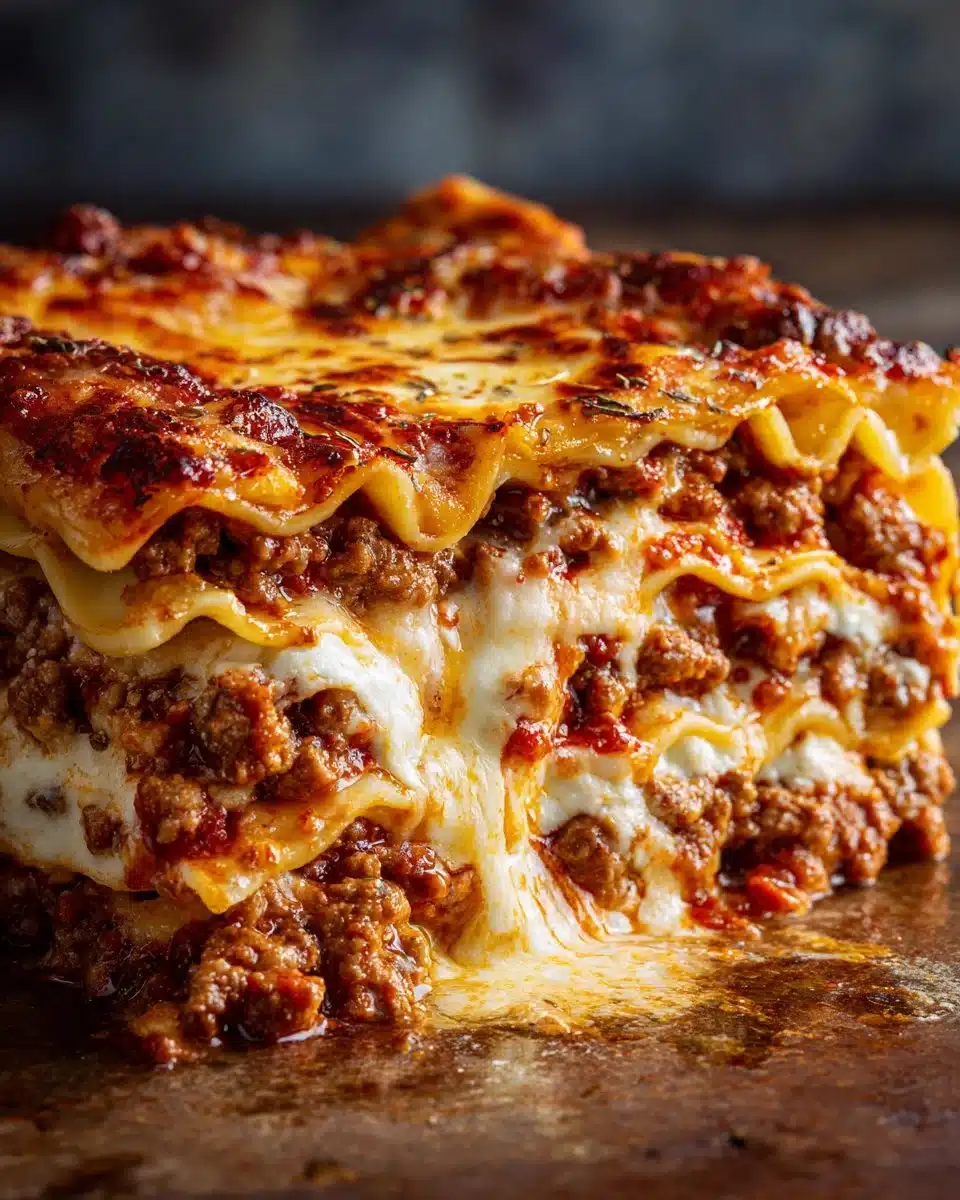
Classic Italian Lasagna — My Favorite Family Recipe
The smell of slow-simmered meat sauce and melting cheese fills the kitchen the moment you open the oven. This best lasagna recipe produces tender pasta layers, a savory ragù, and a silky béchamel that keeps every bite rich and balanced. I developed this version after testing it 10 times on weeknights and dinner parties, refining the sauce and timing for consistent results. The method borrows from traditional Emilia-Romagna technique but keeps steps straightforward for home cooks. Read on for clear, tested steps and the exact timing and temperatures you need to make a reliably delicious lasagna.
Why this recipe works
- Long-simmered ragù builds deep, layered flavor without tasting overly tomato-forward.
- A simple béchamel (white sauce) adds creaminess and prevents dryness between pasta sheets.
- Browning the meat and sweating the vegetables creates Maillard flavor — the backbone of savory depth.
- Overlapping wet and dry ingredients in the right order ensures the pasta softens properly without becoming soggy.
- I tested variations with different cheeses and noodle types to confirm the best texture and melt for home ovens.
Ingredients breakdown
- Ground meat (500 g / 1.1 lb total): I use a mix of 250 g (8.8 oz) ground beef and 250 g (8.8 oz) ground pork for richer flavor and balanced fat. Substitution: Use 500 g (1.1 lb) ground turkey for a leaner result; expect a slightly milder flavor.
- Onion, carrot, celery (1 medium onion, 1 carrot, 2 stalks celery): These form the soffritto (Italian flavor base). Finely dice so they melt into the sauce.
- Garlic (3 cloves): Adds aroma. Mince and add near the end of sautéeing to avoid bitter burned garlic.
- Canned tomatoes (800 g / 28 oz crushed tomatoes): Use good-quality crushed tomatoes. Brand matters less than freshness; if using whole canned tomatoes, crush them by hand.
- Tomato paste (2 tbsp / 33 g): Concentrates tomato flavor. Brown it briefly with the meat for depth.
- Red wine (120 ml / 1/2 cup): Deglazes the pan and adds acidity. Can omit and use extra stock for a kid-friendly version.
- Beef or chicken stock (240–480 ml / 1–2 cups): Thin the sauce to the right consistency; add gradually.
- Milk (240 ml / 1 cup) for béchamel: Milk softens the tomatoes and enriches the sauce; use whole milk for best mouthfeel.
- Butter (60 g / 4 tbsp) and all-purpose flour (45 g / 1/3 cup) for béchamel: Make a roux that thickens milk into a silky sauce. Do not brown the roux — keep it pale for smoothness.
- Lasagna noodles (250–300 g / about 12–15 sheets): Use no-boil noodles for ease or dried noodles boiled 6–8 minutes less than package directions. If using no-boil, ensure your sauce is slightly more fluid.
- Ricotta (450 g / 1.5 cups) and grated Parmesan (100 g / 1 cup) for the cheese layer: Ricotta adds cream and structure; mix with an egg to stabilize if you prefer firmer slices.
- Mozzarella (250 g / 9 oz) shredded: Use full-fat whole-milk mozzarella for best melting.
- Salt: Use Diamond Crystal kosher salt for measured seasoning; if using Morton’s, reduce by half.
- Olive oil (2 tbsp / 30 ml): For sautéeing.
Essential equipment
- 23 x 33 cm (9 x 13 inch) baking dish — fills evenly and fits in most ovens.
- Heavy-bottomed sauté pan (28–30 cm / 11–12 inch) for the ragù.
- Medium saucepan for béchamel.
- Whisk, wooden spoon, spatula, and a fine grater for cheese.
- Oven thermometer (recommended) to confirm oven temperature.
- If you don’t have a mixer, a fork works to beat ricotta with egg.
Step-by-step instructions
Prep time: 30 minutes • Cook time: 1 hour • Inactive time: None • Total time: 1 hour 30 minutes • Servings: 6 (1 slice each)
Step 1: Prepare the soffritto and brown the meat
Heat 2 tbsp (30 ml) olive oil in a heavy pan over medium heat. Add 1 medium onion, 1 carrot, and 2 stalks celery, all finely diced; sauté until soft and translucent, about 6–8 minutes, stirring every minute. Add 500 g (1.1 lb) mixed ground beef and pork and brown for 6–8 minutes, breaking meat into small pieces and cooking until no pink remains. Season lightly with salt as the meat browns.
Step 2: Add tomato elements and wine
Stir in 2 tbsp (33 g) tomato paste and cook for 1 minute to deepen flavor. Pour in 120 ml (1/2 cup) red wine and scrape the pan to deglaze, cooking until the wine is mostly evaporated, about 2–3 minutes. This step concentrates flavor and removes raw alcohol taste.
Step 3: Build and simmer the ragù
Add 800 g (28 oz) crushed tomatoes and 240–480 ml (1–2 cups) stock to reach a sauce that’s saucy but not watery. Add 240 ml (1 cup) whole milk and a pinch of nutmeg if you like. Reduce heat to low and simmer gently, partially covered, for 30–40 minutes, stirring every 5–7 minutes, until the sauce is thick and glossy. Taste and adjust salt; the final sauce should be rich, not sharp.
Step 4: Make the béchamel
In a medium saucepan, melt 60 g (4 tbsp) butter over medium heat. Whisk in 45 g (1/3 cup) all-purpose flour and cook for 1 minute without browning. Gradually whisk in 720 ml (3 cups) whole milk (add slowly to prevent lumps) and cook, whisking constantly, until the sauce thickens to a coat-the-back-of-a-spoon consistency, about 6–8 minutes. Season with 1 tsp (5 g) salt and a pinch of white pepper; do not overcook or the béchamel will break.
Step 5: Assemble the cheese mixture and layers
Mix 450 g (1.5 cups) ricotta with 1 large egg, 60 g (1/2 cup) grated Parmesan, and a pinch of salt. Spread a thin layer (about 120 ml / 1/2 cup) of ragù on the bottom of a 23 x 33 cm (9 x 13 inch) baking dish. Lay down a single layer of noodles (about 3–4 sheets), spread 200–240 g (3/4–1 cup) ricotta mixture, spoon 180–240 ml (3/4–1 cup) ragù, drizzle 60–80 ml (1/4–1/3 cup) béchamel, and sprinkle 80 g (3 oz) mozzarella. Repeat for 3 layers, finishing with béchamel and 60 g (1/2 cup) Parmesan.
Step 6: Bake until bubbling and golden
Preheat oven to 190°C (375°F). Cover the dish loosely with foil and bake for 25 minutes. Remove foil and bake for another 15–20 minutes, until the top is golden and bubbling and an instant-read thermometer in the center reads 74°C (165°F). Let rest for 15–20 minutes before slicing so layers set. Do not slice immediately — resting prevents the lasagna from falling apart.
Expert Tips & Pro Techniques
- Timing tip: If using no-boil noodles, add an extra 60–120 ml (1/4–1/2 cup) stock to the ragù to ensure the pasta hydrates fully during baking.
- Common mistake: Over-salting early. Salt concentrates as sauce reduces; taste after simmering and adjust before assembly.
- Make-ahead: Assemble the lasagna, cover tightly, and refrigerate up to 24 hours before baking. Add 10–15 extra minutes to the covered baking time if starting from cold.
- Home pro technique: Brown meat in batches to avoid steaming. Small batches brown faster and develop better flavor.
- Cheese tip: Use part-skim ricotta if you prefer lighter texture, but whole-milk ricotta yields creamier slices.
- Finish: Broil for 1–2 minutes at the end on high if you want a blistered top — watch closely to avoid burning.
Storage & Reheating
- Refrigerator: Store cooled lasagna in an airtight container or tightly wrapped with plastic wrap for up to 4 days. Reheat slices in a 175°C (350°F) oven for 12–18 minutes until warmed through.
- Freezer: Lasagna freezes well. Wrap the entire dish tightly in plastic and foil or transfer slices to freezer-safe containers. Freeze up to 3 months. Thaw overnight in the fridge before reheating. For frozen whole lasagna, bake covered at 175°C (350°F) for 45–60 minutes, then uncover and bake 10–15 minutes until bubbly.
- Reheating: Reheat single slices in a 175°C (350°F) oven for 10–12 minutes. Avoid microwaving if you want to preserve texture; microwaving can make the noodles and béchamel rubbery or soggy.
Variations & Substitutions
- Vegetarian version: Replace meat with 600 g (20 oz) sautéed mushrooms and diced eggplant. Increase tomato seasoning and add 1 tbsp balsamic vinegar to deepen flavor. Keep béchamel the same.
- Gluten-free version: Use a 250–300 g (about 12–15 sheets) gluten-free lasagna noodle or no-boil GF sheets and a 1:1 GF flour for the béchamel. Add ½ tsp xanthan gum if your blend lacks binding. Bake time may be 3–5 minutes longer.
- Lighter version: Use 500 g (1.1 lb) ground turkey, part-skim ricotta, and 150 g (5 oz) low-moisture mozzarella. Reduce butter in béchamel to 30 g (2 tbsp) and thicken with a small slurry if needed.
- Béchamel-free version: Layer ricotta mixed with milk and extra Parmesan, reducing sauce moisture. This results in a more rustic, less creamy lasagna; you may want to add an extra 120–240 ml (1/2–1 cup) ragù for moisture.
Serving Suggestions & Pairings
- Salad: A simple arugula salad with lemon vinaigrette cuts the richness.
- Vegetable: Oven-roasted broccolini or garlic-roasted potatoes pair well with the creamy lasagna.
- Wine: A medium-bodied red like Chianti or Sangiovese complements the tomato and meat flavors.
- Garnish: A sprinkle of chopped fresh basil and grated Parmesan brightens each slice.
- Pair with our Garlic Roasted Potatoes or a crisp green salad for a full meal.
Nutrition information (per serving — 1 slice, recipe yields 6)
- Calories: 680 kcal
- Total Fat: 36 g
- Saturated Fat: 18 g
- Cholesterol: 140 mg
- Sodium: 820 mg
- Total Carbohydrates: 45 g
- Dietary Fiber: 4 g
- Sugars: 8 g
- Protein: 36 g
Nutrition values are estimates. Actual values may vary based on specific ingredients and preparation methods.
Frequently Asked Questions
Q: Why did my lasagna turn out dry?
A: Dry lasagna usually means there wasn’t enough sauce or the noodles absorbed too much liquid. Make sure your ragù is saucy and add the extra 60–120 ml (1/4–1/2 cup) stock if using no-boil noodles. Let it rest after baking so the béchamel reabsorbs.
Q: Can I make this without eggs?
A: Yes. The egg in the ricotta stabilizes the cheese layer. If you omit it, the texture will be softer but still tasty. For vegan swaps, use tofu-based ricotta and a dairy-free béchamel made with plant milk and vegan butter.
Q: Can I double this recipe?
A: Yes, you can double the recipe and bake in two 23 x 33 cm (9 x 13 inch) pans or one large lasagna pan. If using a larger single pan, baking time may increase by 10–20 minutes. Use an instant-read thermometer and aim for 74°C (165°F) at the center.
Q: Can I prepare this the night before?
A: Absolutely. Assemble, cover tightly, and refrigerate up to 24 hours before baking. Bring the dish to room temperature for 20–30 minutes before baking and add 10–15 minutes to the covered bake time.
Q: How long does this keep in the fridge?
A: Stored properly in an airtight container, lasagna keeps for up to 4 days in the refrigerator.
Q: Why did my noodles get gummy?
A: Overcooked noodles or excessive stirring before assembly can make them gummy. If boiling, undercook by 6–8 minutes from package time, and handle sheets gently. If using no-boil noodles, ensure your sauce is adequately fluid.
Q: Can I use pre-shredded mozzarella?
A: You can, but pre-shredded cheese often contains anti-caking agents that can inhibit melt. Shredding fresh mozzarella gives the best melt and texture.
Conclusion
I hope this recipe becomes your go-to for weeknight comfort or a Sunday family dinner. For another straightforward approach and helpful photos, see Easy Homemade Lasagna Recipe – Spend With Pennies. If you want a video walkthrough and alternative layering tips, check Easy Lasagna Recipe (with VIDEO) – Natasha’s Kitchen.
Print
Classic Italian Lasagna
- Total Time: 90 minutes
- Yield: 6 servings 1x
- Diet: Meat-based
Description
A beloved family recipe for classic Italian lasagna with layers of rich ragù, creamy béchamel, and tender pasta.
Ingredients
- 500 g ground meat (250 g ground beef and 250 g ground pork or turkey)
- 1 medium onion, finely diced
- 1 carrot, finely diced
- 2 stalks celery, finely diced
- 3 cloves garlic, minced
- 800 g crushed tomatoes
- 2 tbsp tomato paste
- 120 ml red wine (optional)
- 240–480 ml beef or chicken stock
- 240 ml whole milk
- 60 g butter
- 45 g all-purpose flour
- 250–300 g lasagna noodles
- 450 g ricotta
- 100 g grated Parmesan
- 250 g shredded mozzarella
- Salt to taste
- 2 tbsp olive oil
Instructions
- Heat 2 tbsp olive oil in a heavy pan over medium heat. Add onion, carrot, and celery; sauté until soft and translucent, about 6–8 minutes. Add ground meat and brown for 6–8 minutes, seasoning lightly with salt.
- Stir in 2 tbsp tomato paste and cook for 1 minute. Pour in red wine and deglaze the pan, cooking until most wine evaporates.
- Add crushed tomatoes and stock to reach desired sauce consistency. Stir in whole milk and reduce heat to low, simmering gently for 30–40 minutes.
- Melt butter in a medium saucepan, whisk in flour, and cook for 1 minute. Gradually whisk in milk and cook until thickened, seasoning with salt and pepper.
- Mix ricotta with egg and Parmesan. Spread a layer of ragù in a baking dish, then layer noodles, ricotta mixture, ragù, béchamel, and mozzarella, repeating until all ingredients are used.
- Preheat oven to 190°C (375°F). Cover with foil and bake for 25 minutes, then uncover and bake for an additional 15–20 minutes until golden. Let rest before slicing.
Notes
Let the lasagna rest for 15–20 minutes to set the layers before slicing. Store leftovers in an airtight container for up to 4 days or freeze for up to 3 months.
- Prep Time: 30 minutes
- Cook Time: 60 minutes
- Category: Main Course
- Method: Baking
- Cuisine: Italian
Nutrition
- Serving Size: 1 slice
- Calories: 680
- Sugar: 8g
- Sodium: 820mg
- Fat: 36g
- Saturated Fat: 18g
- Unsaturated Fat: 18g
- Trans Fat: 0g
- Carbohydrates: 45g
- Fiber: 4g
- Protein: 36g
- Cholesterol: 140mg