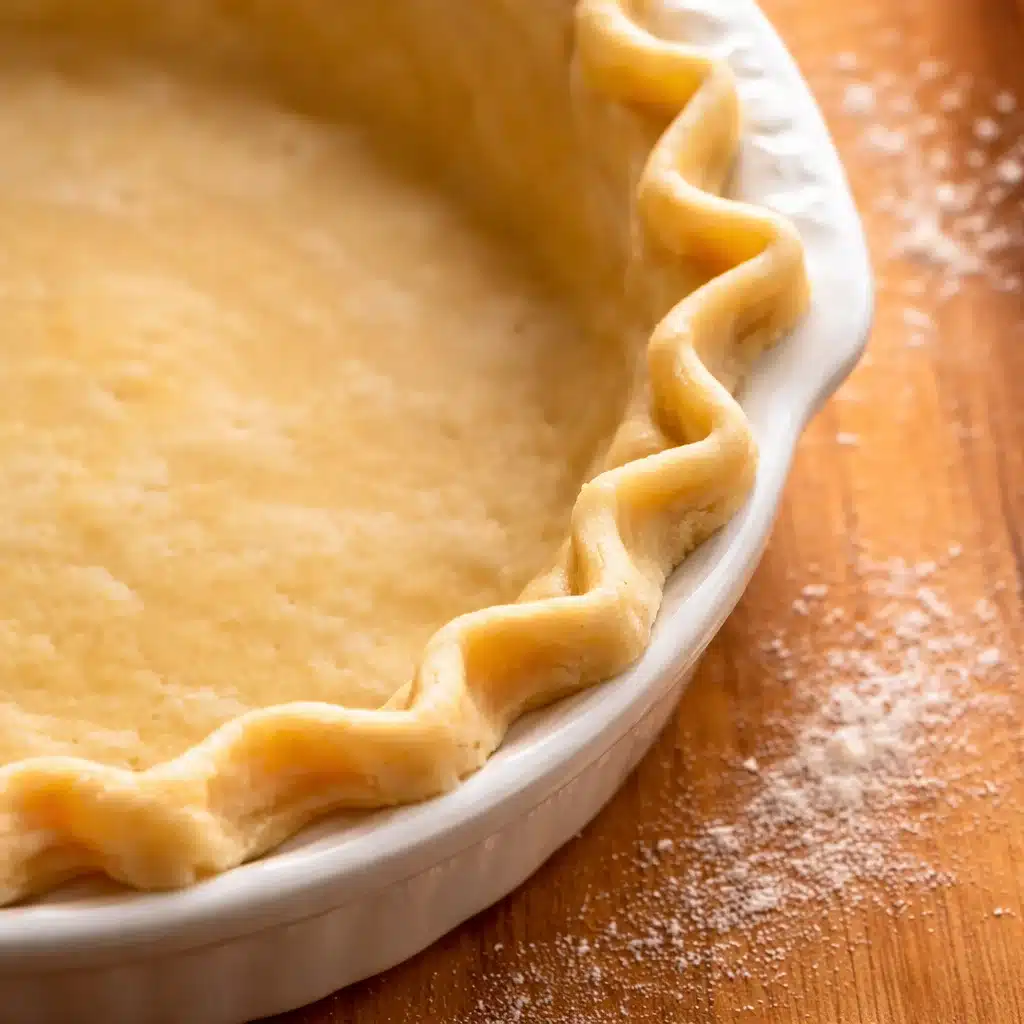
Easy Pie Crust is one of those things that sounds fancy until you actually make it and realize it is basically just cold fat, flour, and a little patience. If you have ever had a crust that turned out tough, shrank down the sides, or baked up kind of sad and pale, you are not alone. I have absolutely been there, staring into my oven like it personally offended me. The good news is this flaky and delicious version is the one I keep coming back to because it is simple, forgiving, and it tastes like a real bakery pie. Let me walk you through it like I would if you were standing in my kitchen with a cup of coffee.

Key Ingredients for Flaky Pie Crust
The secret to a flaky crust is not a secret ingredient, it is just the right basics used the right way. When I say basics, I really mean it. If you can keep a few things cold and avoid overworking the dough, you are already most of the way there.
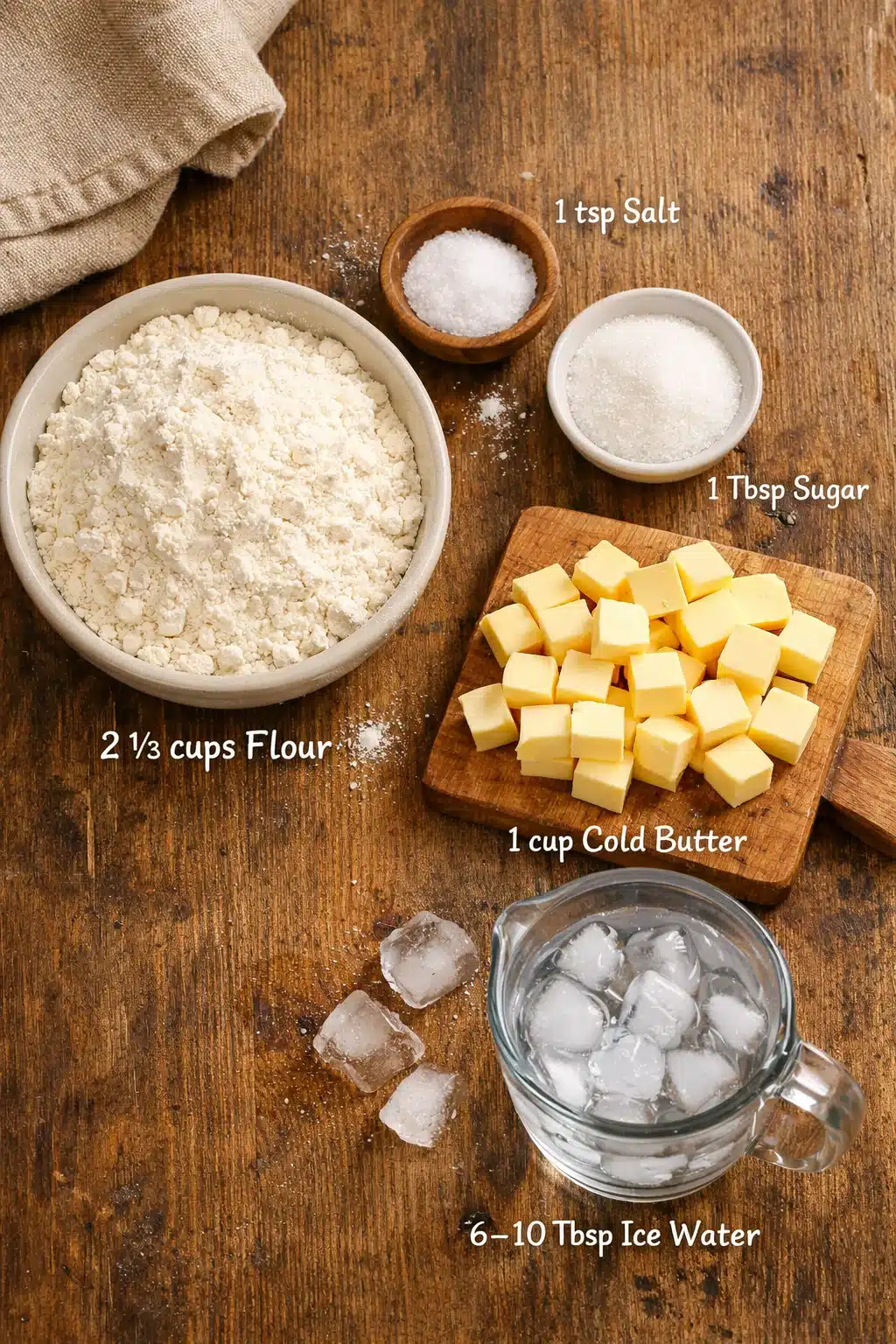
Here is what I use for my go to Easy Pie Crust (this makes one double crust pie, so top and bottom):
- 2 1/2 cups all purpose flour (spooned into the cup and leveled, not packed)
- 1 teaspoon salt
- 1 tablespoon sugar (optional, but I like it for color and flavor)
- 1 cup very cold butter (2 sticks), cut into small cubes
- 6 to 10 tablespoons ice water (start small and add as needed)
A quick note on flour: if your kitchen is humid or you measure heavy handed, you might need an extra spoon of water. That is normal. Dough should look shaggy but hold together when you pinch it.
If you are baking a fruit pie and want some extra inspo, I usually pair this crust with whatever is in season. I like keeping a few dessert ideas bookmarked, like my apple pie filling and this easy cherry pie, so I am not scrambling last minute.
How to Make Flaky Pie Crust
This is the part where people get nervous, but I promise it is mostly about feel. You are not trying to make a smooth bread dough. You actually want little bits of butter left in there because that is what creates the flaky layers.
Step by step directions you can actually follow
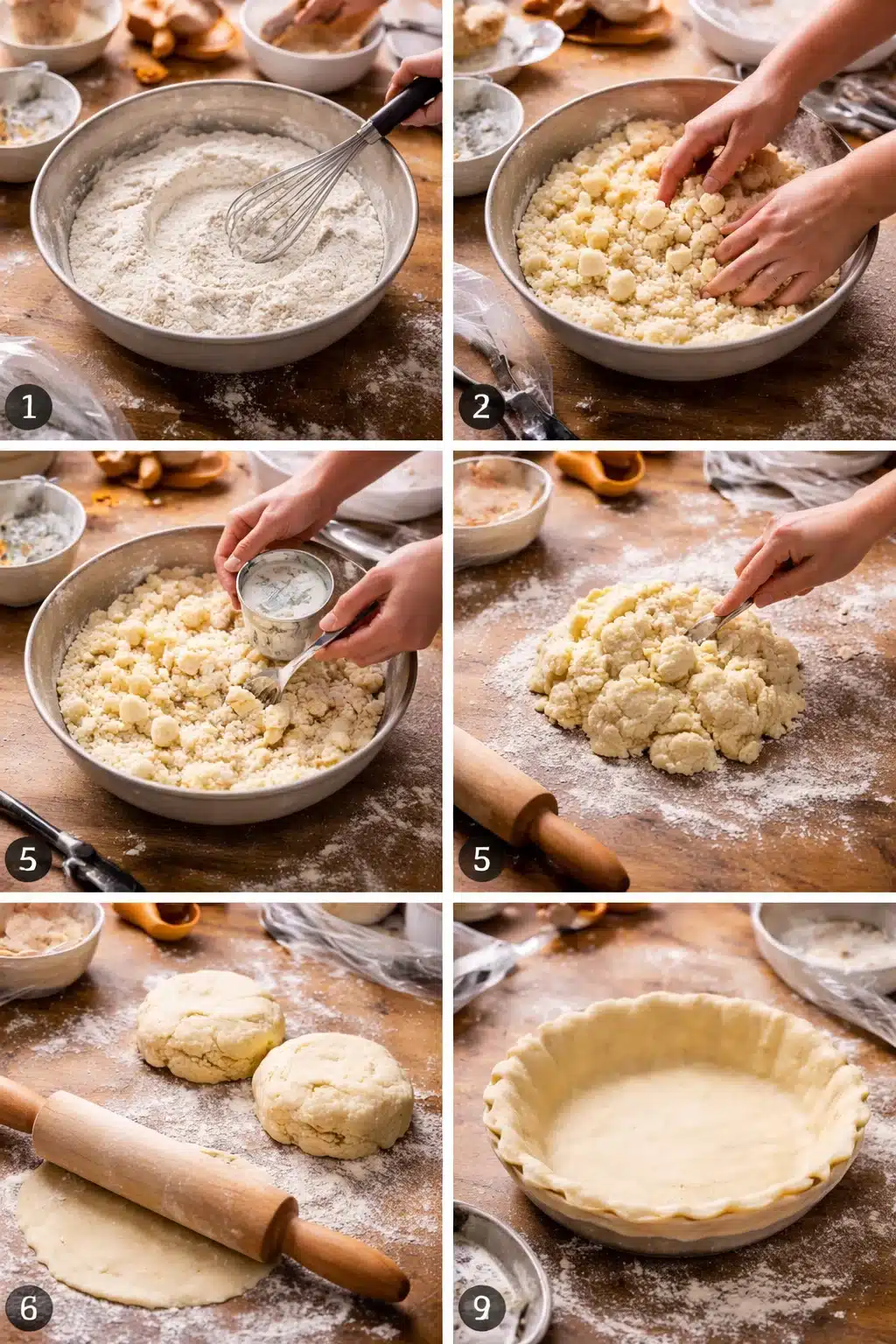
- Mix flour, salt, and sugar in a big bowl.
- Add the cold butter cubes. Use a pastry cutter, two forks, or your fingertips to work the butter in until you have a mix of pea sized and almond sized bits. Some bigger pieces are fine.
- Drizzle in 6 tablespoons ice water. Toss with a fork. Add more water one tablespoon at a time until the dough holds when squeezed.
- Dump the dough onto the counter and gently press it together. Do not knead it. Just bring it into a rough ball.
- Split into two disks, wrap tightly, and chill at least 1 hour. Overnight is even better.
- Roll one disk on a lightly floured surface. Turn it a quarter turn every few rolls so it does not stick.
- Lay it into your pie plate without stretching it. Trim, fill, and add the top crust if you are doing one.
If you are new to rolling dough, here is the thing that helped me: if it cracks at the edges, just pinch it back together. Nobody is grading you. Also, if you want a cute edge, use your fingers or a fork. Simple always looks good.
For baking, follow your pie recipe, but as a general rule: a hot oven at the start helps set the crust. If you want help with blind baking, I have a little guide here: how to blind bake pie crust.
“I tried this crust after years of store bought and it came out flaky on the first try. The chill time really made the difference, and the butter flavor was unreal.”
Butter vs. Shortening Crusts
Let us talk about the big question: butter or shortening. I am team butter most days because I want flavor. Butter gives you that rich, almost cookie like smell when it bakes, and it browns beautifully.
Shortening has its place though. It can be easier to work with because it stays solid longer at room temp, and it can make a crust that is super tender. The downside is the flavor is not the same, and depending on the brand, it can feel a little flat.
My honest take
If you are making a simple Easy Pie Crust for a special holiday pie, go butter. If your kitchen is very warm, or you are nervous about the dough melting while you work, you can do a mix: half butter and half shortening. That combo rolls out like a dream and still tastes good.
I usually stick with all butter for fruit pies, and I will sometimes do a half and half crust for custard pies that need a really neat edge. If you want a good pairing idea, this crust with a creamy filling is so nice, like a classic pumpkin pie.
Tips for Keeping the Ingredients Cold
Cold ingredients are the whole game here. Warm butter melts into the flour and you lose those flaky pockets that make pie crust amazing. It is not complicated, but it does require a little planning.
Little tricks that actually help
Chill the butter until it is very firm. If your fridge butter feels soft, pop it in the freezer for 10 minutes before you start. Same with water, it should be ice cold.
Chill your tools if your kitchen runs hot. Sometimes I even put my mixing bowl in the fridge for a few minutes. It sounds extra, but in summer it saves the day.
Work quickly and stop touching the dough once it comes together. Warm hands can soften butter fast.
Rest the dough in the fridge. This is not just for temperature. It also relaxes the dough so it is less likely to shrink in the oven.
If you ever feel the dough getting sticky or soft while rolling, do not fight it. Slide it onto a sheet pan and chill for 10 to 15 minutes. I do this all the time. Also, if you like baking basics, you might enjoy my baking essentials list because it covers the little stuff that makes recipes smoother.
Pie Crust Dough Variations
Once you nail the base recipe, you can tweak it depending on what you are baking. This is where pie crust starts feeling fun instead of stressful.
Here are a few easy variations I actually use:
Sweet crust: Add 1 to 2 extra tablespoons of sugar and a splash of vanilla. Great for hand pies and dessert galettes.
Whole wheat boost: Replace 1/2 cup of flour with whole wheat flour. It tastes a little nutty and feels extra cozy with apple or pear filling.
Spiced crust: Add 1/2 teaspoon cinnamon for fall pies. It is subtle but it makes your kitchen smell incredible.
Cheese crust: Add 1/2 cup finely shredded sharp cheddar. This is amazing for savory pies or even apple cheddar style.
No matter the variation, the rules stay the same: keep it cold, do not overmix, and let it rest. It is still the same Easy Pie Crust foundation, just with a little personality.
Common Questions
1) Why is my crust tough?
Most of the time it is from overworking the dough or adding too much water. Mix just until it holds together, then stop.
2) How long can I keep pie dough in the fridge?
About 3 days, wrapped well. If you want to prep further ahead, freeze it for up to 3 months.
3) Can I make this without a pastry cutter?
Yes. Two forks work, and clean fingers work too. Just try not to melt the butter with your hands.
4) What if my dough is cracking when I roll it?
It is usually too cold or too dry. Let it sit on the counter for 5 to 10 minutes, or sprinkle a tiny bit of water and press it in.
5) How do I stop soggy bottoms?
Bake on a lower oven rack and make sure your oven is fully preheated. For very juicy fillings, you can also brush the bottom crust with egg white before adding filling.
A simple crust you will actually want to make again
If you take one thing from this post, let it be this: a flaky crust is mostly about cold butter and not messing with it too much. This Easy Pie Crust is the one I reach for when I want something reliable that still tastes homemade in the best way. If you want to watch another method and compare notes, I like this Pie Crust Recipe (with Video) – Natasha’s Kitchen, and this one is also a solid read for technique and confidence: Easy Flaky Butter Pie Crust Recipe – The Kitchn. Now go throw some butter in the fridge, grab a rolling pin, and give it a try. You might surprise yourself.
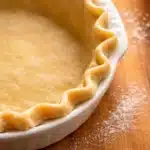
Easy Flaky Pie Crust
- Total Time: 75 minutes
- Yield: 1 double crust pie 1x
- Diet: Vegetarian
Description
A flaky and delicious pie crust that is simple, forgiving, and perfect for any pie filling.
Ingredients
- 2 1/2 cups all-purpose flour, spooned and leveled
- 1 teaspoon salt
- 1 tablespoon sugar (optional)
- 1 cup very cold butter (2 sticks), cut into small cubes
- 6 to 10 tablespoons ice water
Instructions
- Mix flour, salt, and sugar in a big bowl.
- Add the cold butter cubes. Use a pastry cutter, two forks, or your fingertips to work the butter in until you have a mix of pea-sized and almond-sized bits.
- Drizzle in 6 tablespoons ice water. Toss with a fork. Add more water one tablespoon at a time until the dough holds when squeezed.
- Dump the dough onto the counter and gently press it together. Do not knead it; just bring it into a rough ball.
- Split into two disks, wrap tightly, and chill for at least 1 hour (overnight is even better).
- Roll one disk on a lightly floured surface. Turn it a quarter turn every few rolls to prevent sticking.
- Lay it into your pie plate without stretching it. Trim, fill, and add the top crust if necessary.
Notes
Chill your butter and mixing tools to ensure a flaky crust. If the dough gets sticky, refrigerate it briefly before rolling.
- Prep Time: 15 minutes
- Cook Time: 0 minutes
- Category: Dessert
- Method: Baking
- Cuisine: American
Nutrition
- Serving Size: 1 slice
- Calories: 210
- Sugar: 1g
- Sodium: 200mg
- Fat: 18g
- Saturated Fat: 11g
- Unsaturated Fat: 7g
- Trans Fat: 0g
- Carbohydrates: 22g
- Fiber: 1g
- Protein: 2g
- Cholesterol: 30mg