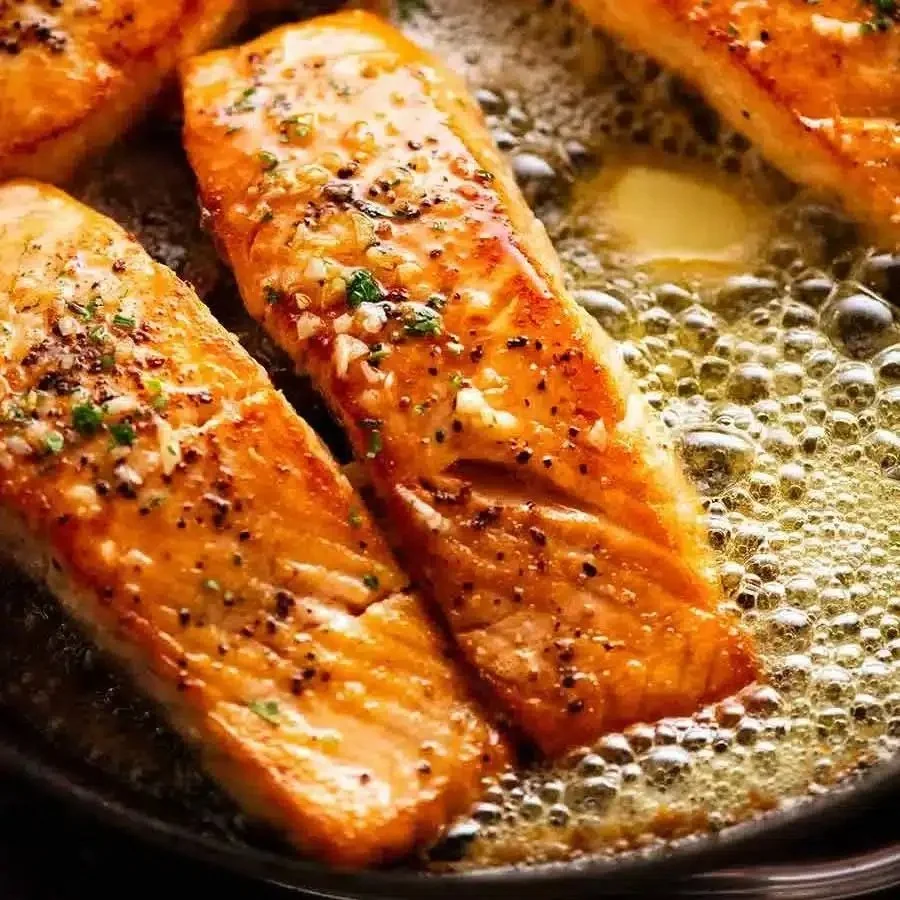
Pan-Seared Fillets with Garlic Butter
The first bite is bright, buttery, and crackling at the edges — a small restaurant moment on your weeknight table. Pan-seared fillets with garlic butter cook in about 20 minutes and deliver a crisp exterior and a flaky, tender interior every time. After testing this recipe eight times on both cod and halibut, I adjusted the pan temperature and resting time so the fish stays moist while the crust browns evenly. This is the version I perfected while working in a busy bistro kitchen, where fast, reliable technique mattered more than fancy ingredients. Read on for precise timing, metric and imperial measurements, and pro tips that make searing foolproof.
Why This Recipe Works
- Browning in a hot pan creates the Maillard reaction, producing a flavorful crust while sealing juices inside the fillet.
- A brief butter finish (the "basting" step) adds nutty, garlicky flavor without overcooking the fish.
- Proper drying and seasoning before cooking prevent steaming and help the fillet crisp.
- Resting briefly off the heat lets carryover cooking finish the interior without drying it.
- Using a neutral oil with a high smoke point prevents burned butter and ensures even browning.
Ingredients Breakdown
- 4 firm white fish fillets, 680 g total (4 × 170 g / 6 oz each) — cod, haddock, or halibut work best. Firm flesh holds up to searing.
- Kosher salt: 1½ tsp (8 g) — I use Diamond Crystal; if using Morton’s, use half the amount (about 4 g).
- Freshly ground black pepper: ¾ tsp (1.5 g).
- All-purpose flour (optional): 1 tbsp (8 g) — light dusting helps create a thin crust; skip for gluten-free.
- Neutral oil with high smoke point: 2 tbsp (30 ml) — grapeseed, vegetable, or light olive oil.
- Unsalted butter: 3 tbsp (45 g) — adds richness; use salted butter if you prefer and reduce additional salt.
- Garlic: 3 cloves, finely minced (about 9 g) — releases pungent, toasty notes in the butter.
- Fresh lemon juice: 1 tbsp (15 ml) — brightens the butter sauce.
- Fresh parsley: 2 tbsp (10 g), chopped — adds freshness and color.
- Optional finish: 1 tsp (5 ml) olive oil or extra lemon wedges for serving.
Substitutions and impact warnings:
- Swap cod for salmon: cooking times change and the flavor becomes richer; reduce heat to avoid drying.
- For dairy-free: replace butter with 3 tbsp (45 ml) clarified butter alternative or extra oil, but the sauce will lack the distinctive butter flavor.
- Gluten-Free: omit the flour dusting; you may get a slightly less pronounced crust.
- Salt brand matters: Diamond Crystal is less dense. If switching to Morton’s, halve the amounts given.
Essential Equipment
- Heavy skillet 25–30 cm (10–12 inch), stainless steel or cast iron preferred for even heat and reliable browning.
- Fish spatula or wide thin spatula for gentle turning.
- Instant-read thermometer to check internal temperature (recommended).
- Tongs and a spoon for basting.
- Paper towels for drying fillets.
- Small bowl for garlic butter sauce.
If you don’t have a heavy skillet, use a nonstick pan but expect slightly less crust. If you lack an instant-read thermometer, test doneness by flakiness: the fish should flake easily but still look slightly translucent in the center.
Prep Time: 10 minutes | Cook Time: 10 minutes | Inactive Time: None | Total Time: 20 minutes | Servings: 4
Step 1: Dry and Season the Fish
Pat 4 fillets dry with paper towels until no excess moisture remains, about 1–2 minutes per fillet. Season both sides with 1½ tsp (8 g) kosher salt and ¾ tsp (1.5 g) black pepper. If using, dust each fillet lightly with 1 tbsp (8 g) flour and shake off excess. Dry fish sears better and the light flour helps a golden crust form.
Step 2: Heat the Pan
Warm a 25–30 cm (10–12 inch) skillet over medium-high heat for 2–3 minutes until hot. Add 2 tbsp (30 ml) neutral oil and swirl to coat; the oil should shimmer but not smoke. Test by flicking a drop of water — it should sizzle and evaporate quickly. Proper heat is critical for a crisp exterior.
Step 3: Sear the Fillets
Place fillets skin-side up or presentation-side down in the pan, spaced so they don’t touch. Sear without moving for 2–3 minutes, until a deep golden crust forms and the edges become opaque. Use tongs to check the color before turning. Flip gently and cook the second side 1½–3 minutes, depending on thickness. Aim for an internal temperature of 55–60°C (131–140°F) for moist, just-cooked fish.
Step 4: Make Garlic Butter and Baste
Reduce heat to medium-low. Push the fillets to one side. Add 3 tbsp (45 g) unsalted butter and 3 cloves (9 g) minced garlic to the pan. Once butter foams, tilt the pan and spoon the melted garlic butter over the fillets for 30–45 seconds. Do not let the garlic brown excessively — it will taste bitter. Finish with 1 tbsp (15 ml) lemon juice and 2 tbsp (10 g) chopped parsley.
Step 5: Rest and Serve
Transfer fillets to a warm plate and spoon any pan juices over them. Rest 1–2 minutes — the internal temperature will rise a few degrees. Serve with lemon wedges and a scatter of parsley. Resting keeps the fillets juicy and lets flavors settle.
Expert Tips & Pro Techniques
- Dry thoroughly: Excess moisture is the most common reason fillets steam instead of sear. Pat until paper towels stay dry.
- Hot pan, then oil: Heat the pan first, then add oil. This prevents oil from burning and helps an even sear.
- Control carryover cooking: Remove fish when internal temp is 55–60°C (131–140°F); carryover will raise it to the perfect doneness.
- Baste gently: Tilt the pan and spoon butter over the fish. This adds flavor without flooding the pan.
- Common mistake — overcrowding: If fillets touch, they steam. Cook in batches if needed to keep high heat and space.
- Make-ahead: Poach fillets gently and keep chilled. Before serving, sear briefly in a hot pan and finish with garlic butter for nearly fresh results.
- Pro technique for home cooks: Use clarified butter (ghee) mixed with a small amount of whole butter. Clarified butter raises the smoke point; whole butter adds flavor. Start with 1 tbsp (15 ml) ghee and 2 tbsp (30 g) cold butter.
Storage & Reheating
- Refrigerator: Store cooled fillets in an airtight container for up to 2 days. Place a paper towel beneath the fillets to absorb excess moisture.
- Freezer: Not ideal for best texture. Freeze cooked fillets wrapped tightly in plastic and foil for up to 1 month. Thaw overnight in the fridge.
- Reheating: Reheat in a 175°C (350°F) oven for 6–8 minutes until warmed through. Alternatively, re-crisp in a skillet over medium heat for 2–3 minutes per side. Avoid microwaving — it makes the exterior soggy and the texture rubbery.
Variations & Substitutions
- Lemon-Herb Fillets: Add 1 tsp (2 g) lemon zest and swap parsley for 2 tbsp (8 g) chopped dill. Everything else stays the same.
- Spicy Cajun Version: Season fillets with 1½ tsp (6 g) Cajun seasoning instead of salt and pepper. Reduce added salt. Cook the same amount of time.
- Dairy-Free: Replace butter with 3 tbsp (45 ml) extra-virgin olive oil or a plant-based buttery spread with a high smoke point. Flavor will be less rich; add a splash more lemon.
- Gluten-Free: Omit the flour dusting. Increase searing time by 30–45 seconds per side to encourage crust formation.
- Thick Steaks (salmon or swordfish): Increase second-side cook time by 2–4 minutes, or roast at 180°C (350°F) for 6–8 minutes after searing, until internal temp reaches 60–63°C (140–145°F).
Serving Suggestions & Pairings
- Vegetables: Serve with garlic roasted potatoes and steamed green beans for a classic plate.
- Salads: A crisp fennel and orange salad brightens the richness.
- Bread & Pantry: Crusty sourdough soaks up the garlic butter beautifully.
- Wine: Pair with a crisp Sauvignon Blanc or a light, unoaked Chardonnay.
- Internal link idea: Pair with our Garlic Roasted Potatoes or a simple Lemon Herb Quinoa for a full meal.
Nutrition Information
Per serving (Serving size: 1 fillet; Serves 4)
- Calories: 350 kcal
- Total Fat: 18 g
- Saturated Fat: 7 g
- Cholesterol: 110 mg
- Sodium: 520 mg
- Total Carbohydrates: 2 g
- Dietary Fiber: 0 g
- Sugars: 0 g
- Protein: 42 g
Nutrition values are estimates. Actual values may vary based on specific ingredients and preparation methods.
Frequently Asked Questions
Q: Why did my fillets turn out dry?
A: Most often they were overcooked. Remove fillets when the internal temperature reaches 55–60°C (131–140°F). Carryover heat will finish cooking. Also avoid high, prolonged heat that cooks the interior too fast.
Q: Can I make this without garlic?
A: Yes. Omit minced garlic and finish with an extra tablespoon (15 ml) of lemon juice and a pinch of smoked paprika for flavor.
Q: Can I double this recipe?
A: Yes, but cook in batches so the pan remains hot. Overcrowding lowers pan temperature and causes steaming instead of searing.
Q: Can I prepare this the night before?
A: You can dry-brine the fillets (salt them) the night before and refrigerate uncovered to improve texture. For best results, do the searing the day you serve.
Q: How long does this keep in the fridge?
A: Stored in an airtight container, cooked fillets keep 1–2 days in the refrigerator. Use within 48 hours for best quality.
Q: Is there a good substitute for butter in the sauce?
A: Use 3 tbsp (45 ml) olive oil or a high-quality plant-based butter if you need dairy-free. The flavor will be different but still tasty.
Q: Can I use frozen fillets?
A: Thaw completely in the refrigerator before cooking and pat dry. Cooking from frozen risks an unevenly cooked center and excess steaming.
Conclusion
If you enjoy rich, pan-finished fish, try a hearty steak version for a different twist; the same garlic-butter technique works beautifully on beef. For inspiration beyond fillets, this filet mignon with garlic butter recipe shows how to adapt basting and butter timing to a thick steak. If you prefer a straightforward seared steak guide that emphasizes timing and pan technique, see this pan seared steak with garlic & butter tutorial.
Print
Pan-Seared Fillets with Garlic Butter
- Total Time: 20 minutes
- Yield: 4 servings 1x
- Diet: Gluten-Free, Dairy-Free options available
Description
A quick and reliable recipe for pan-seared fish fillets with a rich garlic butter finish, perfect for weeknight dinners.
Ingredients
- 4 firm white fish fillets (cod, haddock, or halibut)
- Kosher salt: 1½ tsp
- Freshly ground black pepper: ¾ tsp
- All-purpose flour (optional): 1 tbsp
- Neutral oil with high smoke point: 2 tbsp
- Unsalted butter: 3 tbsp
- Garlic: 3 cloves, finely minced
- Fresh lemon juice: 1 tbsp
- Fresh parsley: 2 tbsp, chopped
- Optional finish: 1 tsp olive oil or extra lemon wedges
Instructions
- Dry and Season the Fish: Pat fillets dry and season with salt and pepper. Dust with flour if using.
- Heat the Pan: Warm a skillet over medium-high heat and add oil.
- Sear the Fillets: Place fillets in the pan and cook without moving for 2–3 minutes, then flip and cook for 1½–3 minutes until cooked through.
- Make Garlic Butter and Baste: Add butter and minced garlic to the pan, baste the fillets with the melted garlic butter for 30-45 seconds.
- Rest and Serve: Transfer fillets to a plate, rest briefly, and serve with lemon wedges and parsley.
Notes
Ensure fillets are dry before searing for the best crust. Resting the fillets will help retain moisture.
- Prep Time: 10 minutes
- Cook Time: 10 minutes
- Category: Main Course
- Method: Searing
- Cuisine: American
Nutrition
- Serving Size: 1 fillet
- Calories: 350
- Sugar: 0g
- Sodium: 520mg
- Fat: 18g
- Saturated Fat: 7g
- Unsaturated Fat: 10g
- Trans Fat: 0g
- Carbohydrates: 2g
- Fiber: 0g
- Protein: 42g
- Cholesterol: 110mg