Ultimate Easy Mashed Potato Recipe
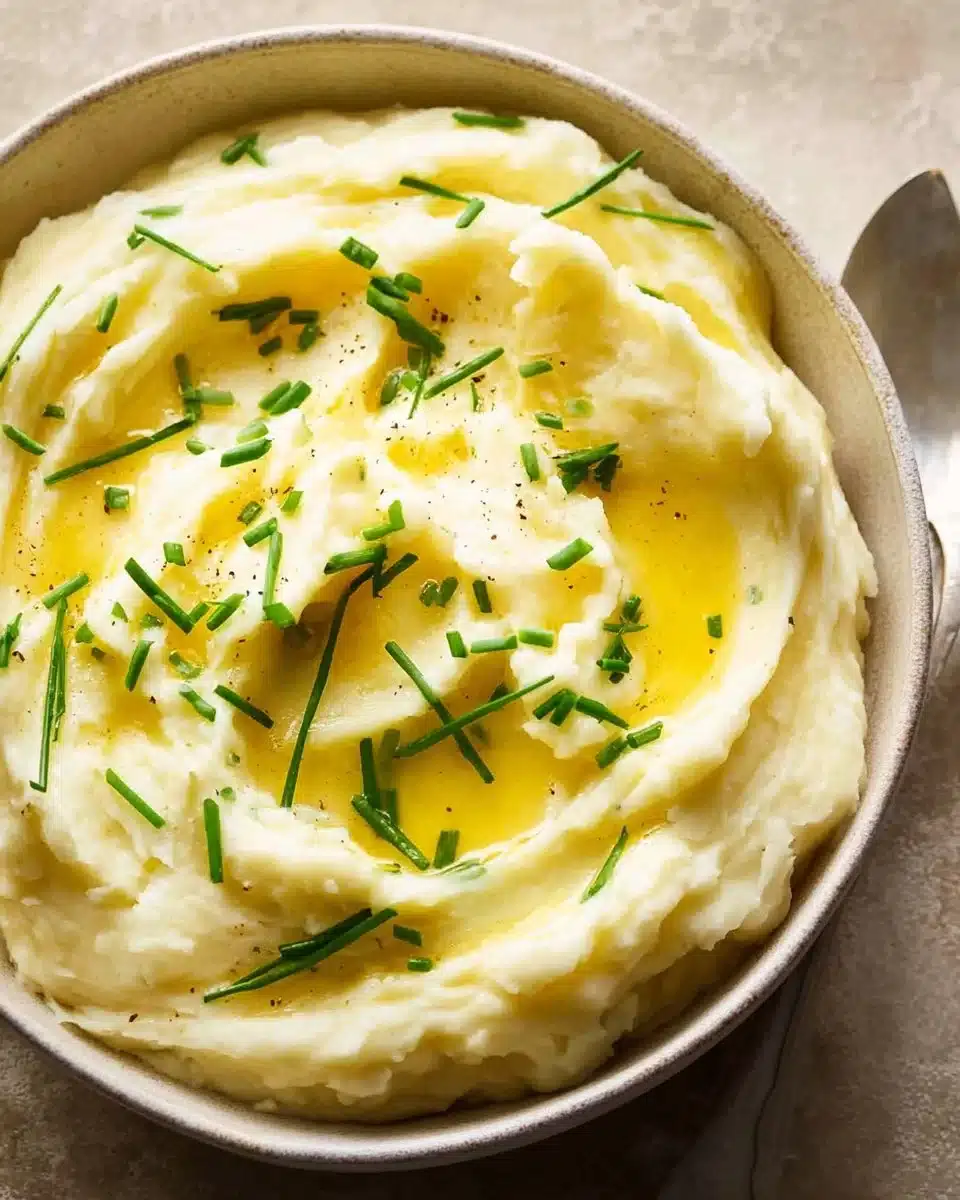
Velvety and buttery, this creamy mashed potato melts on the tongue and brightens any meal. After perfecting this version over years in restaurant kitchens and testing it 10 times at home with Yukon Gold and Russet mixes, I landed on a method that gives smooth texture and deep potato flavor without gluey starch. This recipe uses warm dairy, gentle mashing, and a touch of acid to lift the flavor. It’s fast enough for weeknights and reliable for holidays. Read on for exact weights, precise timing, and chef tips that prevent the most common mistakes, then make a pot that everyone asks about.
Why This Recipe Works
- Warm milk and cream fold in without shocking the potatoes, keeping the texture light and fluffy.
- A 50/50 blend of Yukon Gold and Russet balances creaminess and starch for smooth body plus fluffy lift.
- Mashing gently (not whipping) prevents starch overdevelopment that causes gluey potatoes.
- A small amount of acid (lemon juice or vinegar) brightens flavor the way restaurants do.
- Salt in the boiling water seasons potatoes from the inside, producing better overall taste.
Ingredients Breakdown
- Potatoes — 1,200 g (about 2 lb 10 oz / 2.6 lb) total; use 600 g (2 cups diced) Yukon Gold + 600 g (2 cups diced) Russet. Yukon Gold adds creaminess; Russet adds fluffy structure.
- Salt — 2 tbsp (30 g) kosher salt for the cooking water. Use Diamond Crystal for the measure; if using Morton, halve the amount (they’re denser).
- Butter — 115 g (1/2 cup / 4 oz) unsalted butter, cut into pieces. Adds richness and silkiness.
- Heavy cream — 240 ml (1 cup) heavy cream, warmed. If you prefer lighter, use 120 ml (1/2 cup) milk + 120 ml (1/2 cup) half-and-half.
- Whole milk — 60–120 ml (1/4–1/2 cup) warmed; use to adjust consistency.
- Garlic (optional) — 1 large clove, smashed and simmered with the cream for a subtle roast-garlic flavor.
- Freshly ground black pepper — to taste.
- Lemon juice or vinegar — 1 tsp (5 ml) to brighten the finish.
- Chives or parsley (optional) — 2 tbsp chopped for garnish.
Substitutions with impact warnings:
- Swap heavy cream for whole milk for a lighter texture but expect looser, less silky mashed potatoes.
- For dairy-free: use 120 ml (1/2 cup) full-fat coconut milk plus 120 ml (1/2 cup) unsweetened almond milk; flavor will shift and color may be slightly darker.
- For lower sodium: reduce salt in cooking water but taste and finish with salt — under-salting at the start is hard to correct.
Essential Equipment
- Large heavy-bottomed pot (4–6 qt / 4–6 L) — even heat and space prevent crowding.
- Colander for draining.
- Potato ricer or food mill (preferred) — produces the smoothest texture. If you don’t have one, use a sturdy potato masher and stop early.
- Heatproof bowl for warm cream and butter.
- Saucepan to warm cream and infuse garlic.
- Instant-read thermometer (optional) — for warming dairy to about 60°C (140°F).
- Wooden spoon or silicone spatula for folding.
If you don’t own a ricer, press potatoes through a fine-mesh sieve with the back of a ladle. It’s slower but keeps texture light.
Prep time 15 minutes · Cook time 20 minutes · Inactive time None · Total time 35 minutes · Serves 6 (about 3/4 cup per serving)
Step 1: Prep and salt the water
Bring a large pot of cold water to a boil with 2 tbsp (30 g) kosher salt. Add the potatoes whole or halved if large. Starting them in cold water ensures even cooking. Bring to a gentle boil and simmer.
Step 2: Cook the potatoes until tender
Simmer the potatoes for 15–20 minutes, depending on size, until a paring knife slides in easily and the centers feel soft. Test several potatoes for consistency. Drain immediately in a colander.
Step 3: Warm the dairy and butter
While potatoes cook, heat 240 ml (1 cup) heavy cream + 115 g (1/2 cup / 4 oz) butter in a small saucepan until the butter melts and the mixture is warm, about 60°C (140°F) — do not boil. If using garlic, smash 1 clove and simmer it in the cream for 2–3 minutes, then remove.
Step 4: Rice or mash the potatoes
Return drained potatoes to the pot off the heat and rice them directly into the pot or a large bowl using a potato ricer or food mill. If mashing, use a potato masher and stop when no large lumps remain. Do not overmix — stop as soon as no dry potato pieces are visible.
Step 5: Fold in warm butter and cream
Pour the warm butter-cream mixture over the riced potatoes. Fold gently with a spatula until combined. Add 60–120 ml (1/4–1/2 cup) warmed whole milk to reach desired consistency. Season with salt and pepper to taste, then add 1 tsp (5 ml) lemon juice or 1/2 tsp (2.5 ml) white vinegar to brighten the flavor.
Step 6: Finish and serve
Taste and adjust seasoning. Transfer to a warmed serving bowl and dot with an extra 15 g (1 tbsp) butter, sprinkle 2 tbsp (12 g) chopped chives. Serve immediately. If holding for short periods, place the bowl over a pot of barely simmering water to keep warm for 10–15 minutes.
Expert Tips & Pro Techniques
- Common mistake: adding cold dairy straight from the fridge. Warm the butter and cream to avoid cooling the potatoes and to help the fats emulsify for a silkier texture.
- Don’t overwork the potatoes. Whipping or using a blender releases starch and makes them gluey. Use a ricer or mash gently.
- Make-ahead: Prepare through Step 4. Spread mashed potatoes in an oiled shallow pan, cool to room temp, cover, and refrigerate up to 24 hours. Reheat with warm cream and butter, stirring until smooth.
- Professional technique adapted for home: mix 50/50 Yukon Gold and Russet for the ideal balance. Restaurants often blend varieties to get both flavor and lift.
- If potatoes taste flat, finish with a teaspoon of acid (lemon or vinegar) and a final pinch of salt — acids brightens without making them tart.
- To keep smooth when reheating, stir in 1–2 tbsp (15–30 ml) warm cream per cup of mashed potato before warming.
Storage & Reheating
- Refrigerator: Store mashed potatoes in an airtight container for up to 3–4 days. Press a sheet of plastic directly on the surface to limit oxidation.
- Freezer: Mashed potatoes freeze well for up to 3 months. Cool completely, portion into freezer-safe containers or freezer bags, pressing out air. Thaw overnight in the refrigerator before reheating.
- Reheating: Reheat in a 175°C (350°F) oven for 15–20 minutes covered, stirring halfway and adding 30–60 ml (2–4 tbsp) warm cream or milk to restore creaminess. Alternatively, reheat gently on the stovetop over low heat, stirring and adding warm milk in small increments. Avoid high-power microwaving — it can make texture gummy.
Variations & Substitutions
- Garlic-Parmesan: Keep everything the same, but infuse 2 smashed garlic cloves in the warm cream and fold in 60 g (1/2 cup) grated Parmesan. Garnish with parsley.
- Dairy-Free: Replace butter with 60 ml (1/4 cup) olive oil and heavy cream with 240 ml (1 cup) full-fat coconut milk. Texture will be slightly looser and flavor will shift.
- Whole-Meal Comfort: Use all Yukon Gold for a creamier, denser mash. Keep liquid amounts the same; you may need slightly less milk.
- Herbed Lemon: Fold in 2 tbsp (12 g) minced fresh chives and 1 tsp (5 ml) lemon zest in place of the lemon juice. This heightens freshness without watering down texture.
- Loaded Mashed Potato (higher calorie): Add 115 g (1/2 cup) sour cream and 60 g (1/4 cup) crumbled cooked bacon. Reduce butter to 85 g (6 tbsp) if you want to control richness.
Serving Suggestions & Pairings
- Classic roast: Serve with roast chicken, gravy, and roasted root vegetables for a comforting Sunday meal.
- Steak night: Pair with a pan-seared ribeye and sautéed mushrooms.
- Vegetarian main: Top with braised mushrooms and a drizzle of thyme oil for a meatless main course.
- Garnish ideas: chopped chives, browned butter, or a sprinkle of smoked paprika.
- Pair with our Garlic Roasted Potatoes for a potato-forward spread that showcases different textures.
Nutrition Information
Serving size: about 3/4 cup (140 g) — Makes 6 servings.
Per serving (estimate):
- Calories: 280 kcal
- Total Fat: 15 g
- Saturated Fat: 9 g
- Cholesterol: 45 mg
- Sodium: 420 mg
- Total Carbohydrates: 33 g
- Dietary Fiber: 3 g
- Sugars: 2 g
- Protein: 4 g
Nutrition values are estimates. Actual values may vary based on specific ingredients and preparation methods.
Frequently Asked Questions
Q: Why did my mashed potatoes turn out gluey?
A: Overworking the potatoes releases excess starch. Stop mashing as soon as no large lumps remain and avoid high-speed mixers.
Q: Can I make this without dairy?
A: Yes. Use olive oil and unsweetened full-fat plant milk (coconut or oat). Expect a different flavor and slightly looser texture.
Q: Can I double this recipe?
A: Yes. Double all ingredients and use a larger pot. For very large batches, mash in two batches to avoid overworking.
Q: Can I prepare this the night before?
A: Yes. Complete through ricing or mashing, then cool and refrigerate covered up to 24 hours. Reheat gently with warm cream and butter.
Q: How long does this keep in the fridge?
A: Stored in an airtight container, mashed potatoes keep 3–4 days in the refrigerator.
Q: Can I freeze mashed potatoes?
A: Yes. Freeze in shallow portions for up to 3 months. Thaw in the fridge overnight and reheat with warm cream.
Q: How do I fix watery mashed potatoes?
A: Gently cook them in a saucepan over low heat, stirring to evaporate excess liquid, and add a tablespoon of butter to emulsify. Do not add flour to thicken — it alters flavor.
Conclusion
If you want a second reference for technique and timing, this detailed mashed potatoes guide from Natasha’s Kitchen offers a helpful comparison of methods. For another chef-tested approach and recipe variations, see RecipeTin Eats’ creamy, buttery mashed potato. Both are excellent resources to cross-check technique and inspire tweaks for your next batch.
Print
Ultimate Easy Mashed Potato
- Total Time: 35 minutes
- Yield: 6 servings 1x
- Diet: Vegetarian
Description
Velvety and buttery, this creamy mashed potato melts on the tongue and brightens any meal.
Ingredients
- 1,200 g (2.6 lb) potatoes (600 g Yukon Gold, 600 g Russet)
- 2 tbsp (30 g) kosher salt
- 115 g (1/2 cup) unsalted butter, cut into pieces
- 240 ml (1 cup) heavy cream, warmed
- 60–120 ml (1/4–1/2 cup) whole milk, warmed
- 1 large clove garlic, smashed (optional)
- Freshly ground black pepper, to taste
- 1 tsp (5 ml) lemon juice or vinegar
- 2 tbsp chopped chives or parsley (optional)
Instructions
- Bring a large pot of cold water to a boil with 2 tbsp kosher salt. Add the potatoes whole or halved if large.
- Simmer the potatoes for 15–20 minutes until tender, then drain immediately in a colander.
- Heat heavy cream and butter in a small saucepan until warm, about 60°C (140°F).
- Return drained potatoes to the pot and rice them directly into the pot or bowl.
- Pour the warm butter-cream mixture over the riced potatoes and fold gently until combined. Adjust consistency with whole milk.
- Season with salt, pepper, and lemon juice or vinegar, and serve immediately.
Notes
Warm dairy helps emulsify for a silkier texture. Do not overmix to avoid gluey potatoes.
- Prep Time: 15 minutes
- Cook Time: 20 minutes
- Category: Side Dish
- Method: Boiling & Mashing
- Cuisine: American
Nutrition
- Serving Size: 1 serving (about 3/4 cup / 140 g)
- Calories: 280
- Sugar: 2g
- Sodium: 420mg
- Fat: 15g
- Saturated Fat: 9g
- Unsaturated Fat: 4g
- Trans Fat: 0g
- Carbohydrates: 33g
- Fiber: 3g
- Protein: 4g
- Cholesterol: 45mg