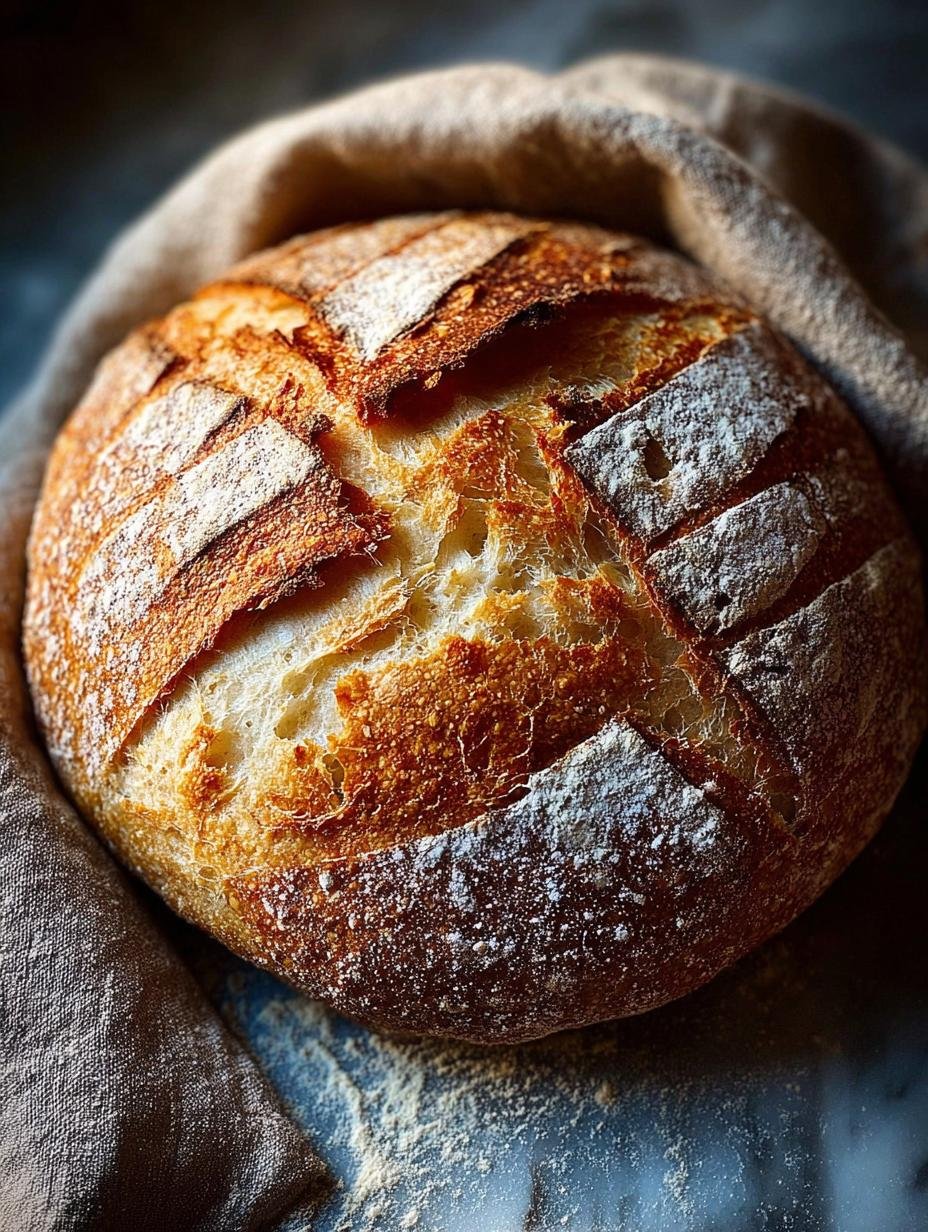
Sourdough Bread has captivated home bakers for ages, and for good reason. This homemade sourdough bread recipe guides you step-by-step through creating a crusty, golden loaf with a light, airy crumb using simple ingredients and traditional techniques. The delightful aroma that fills your kitchen as it bakes is simply irresistible, making it a staple in many households. Let’s dive into this journey of crafting your own delicious, healthy sourdough loaf!
Why You’ll Love This Sourdough Bread
There are countless reasons to fall in love with this sourdough bread. First, it offers a unique flavor profile that comes from the natural fermentation process, making it a delicious choice for any meal. This artisan bread boasts a crispy crust and a chewy interior that is incredibly satisfying. Not to mention, it’s a healthier option compared to many commercial breads due to its fermentation, which enhances nutrient absorption. If you’re a beginner, this recipe serves as a perfect introduction to baking with a sourdough starter. Plus, it’s versatile enough for various sourdough bread variations, allowing you to get creative!
Ingredients for Sourdough Bread
Gather these items:
- 100 g bubbly, active sourdough starter
- 375 g warm water, or more as needed
- 500 g bread flour
- 12 g fine sea salt
How to Make Sourdough Bread Step-by-Step
- Step 1: Whisk the active starter and warm water together in a large bowl using a fork or spatula until combined.
- Step 2: Add the bread flour and fine sea salt to the bowl. Mix until combined, finishing by hand if necessary to form a rough dough. Cover with a damp towel and let rest for 30 minutes.
- Step 3: After resting, stretch a corner of the dough upward and fold it toward the center. Repeat this folding 4 to 5 times around the dough. Let rest another 30 minutes, then repeat the stretch-and-fold. If possible, perform this action two more times for a total of four stretch-and-fold sessions within 2 hours to develop gluten strength.
- Step 4: Cover the bowl with a towel and let the dough rise at room temperature for 8 to 10 hours or until it increases in volume by 50%, shows bubbles on the surface, and jiggles when the bowl is moved.
- Step 5: Turn the dough gently onto a lightly floured surface. Fold the top down to the center, turn the dough, and repeat folding around until a round shape forms.
- Step 6: Let the dough rest seam side up for 30 minutes while you prepare a proofing basket or bowl lined with a floured towel (preferably rice flour).
- Step 7: Shape the dough again using the same folding method and place it seam side up in the prepared basket or bowl. Cover and refrigerate for 1 to 48 hours.
- Step 8: Place a Dutch oven inside your oven and preheat to 550°F (290°C). Cut parchment paper to fit the Dutch oven.
- Step 9: Remove the dough from the fridge. Place parchment over it, invert the proofing vessel to release the dough onto the parchment. Score the dough surface with your desired pattern.
- Step 10: Using the parchment to transfer, place the dough into the preheated Dutch oven. Lower the oven temperature to 450°F (230°C), cover with the lid, and bake for 30 minutes.
- Step 11: Remove the lid, lower the oven to 400°F (200°C), and bake an additional 10 to 15 minutes uncovered. If needed, transfer the loaf directly onto the oven rack for the last 5 to 10 minutes to crisp the crust further.
- Step 12: Remove the bread and cool completely on a wire rack for 1 hour before slicing to set the crumb and finish baking internally.
- Step 13: Store the bread at room temperature in an airtight container or plastic bag for up to 3 days, or freeze for longer storage.
Pro Tips for the Perfect Sourdough Bread
Keep these in mind:
- The recommended proofing time is at least 24 hours for the best crumb.
- Use a bench scraper to create surface tension.
- Adjust water as needed for dough consistency.
- Consider using a kitchen scale for precise measurements, especially for beginners.
Best Ways to Serve Sourdough Bread
This classic sourdough bread pairs beautifully with a variety of toppings. Try it with creamy butter, artisanal cheeses, or your favorite spreads for a delicious breakfast or snack. You can also use slices for sandwiches, adding an elegant twist to your lunch. Consider toasting the bread for an even crunchier texture, enhancing its delightful crust.
How to Store and Reheat Sourdough Bread
To keep your sourdough bread fresh, store it at room temperature in an airtight container or plastic bag for up to 3 days. For longer storage, consider freezing the loaf. To reheat, simply place slices in the toaster or warm them in the oven for a few minutes. This helps restore its crispy crust and fluffy interior, making it taste freshly baked.
Frequently Asked Questions About Sourdough Bread
What’s the secret to perfect Sourdough Bread?
The secret lies in using a well-fed sourdough starter and allowing enough time for fermentation. This process develops the unique flavors of fermented bread and ensures the ideal texture of your sourdough loaf.
Can I make Sourdough Bread ahead of time?
Yes! You can prepare your sourdough dough ahead of time and refrigerate it for up to 48 hours. This allows for greater flexibility in your baking schedule and enhances the flavor through extended fermentation.
How do I avoid common mistakes with Sourdough Bread?
To avoid mistakes, ensure your sourdough starter is active and bubbly before use. Pay attention to temperature and humidity, as these factors can affect fermentation. Following the sourdough bread baking tips provided in this guide will also help you succeed.
Variations of Sourdough Bread You Can Try
Once you’re comfortable with the classic version, explore these variations: add herbs for a fragrant twist, incorporate cheese for a savory flavor, or include dried fruits for a sweet touch. Each variation offers a unique experience while allowing you to enjoy the benefits of sourdough bread.

For more tips on baking, check out this creamy shrimp pasta recipe that pairs well with homemade bread.

Additionally, if you’re interested in other baking projects, consider trying banana split cake for a delightful dessert.
Print
Sourdough Bread: 7 Steps to Artisan Perfection
- Total Time: 9 hours
- Yield: 1 loaf 1x
- Diet: Vegetarian
Description
This homemade sourdough bread recipe guides you step-by-step through creating a crusty, golden loaf with a light, airy crumb using simple ingredients and traditional techniques.
Ingredients
- 100 g bubbly, active sourdough starter
- 375 g warm water, or more as needed
- 500 g bread flour
- 12 g fine sea salt
Instructions
- Whisk the active starter and warm water together in a large bowl using a fork or spatula until combined.
- Add the bread flour and fine sea salt to the bowl. Mix until combined, finishing by hand if necessary to form a rough dough. Cover with a damp towel and let rest for 30 minutes.
- After resting, stretch a corner of the dough upward and fold it toward the center. Repeat this folding 4 to 5 times around the dough. Let rest another 30 minutes, then repeat the stretch-and-fold. If possible, perform this action two more times for a total of four stretch-and-fold sessions within 2 hours to develop gluten strength.
- Cover the bowl with a towel and let the dough rise at room temperature for 8 to 10 hours or until it increases in volume by 50%, shows bubbles on the surface, and jiggles when the bowl is moved.
- Turn the dough gently onto a lightly floured surface. Fold the top down to the center, turn the dough, and repeat folding around until a round shape forms.
- Let the dough rest seam side up for 30 minutes while you prepare a proofing basket or bowl lined with a floured towel.
- Shape the dough again using the same folding method and place it seam side up in the prepared basket or bowl. Cover and refrigerate for 1 to 48 hours.
- Place a Dutch oven inside your oven and preheat to 550°F (290°C). Cut parchment paper to fit the Dutch oven.
- Remove the dough from the fridge. Place parchment over it, invert the proofing vessel to release the dough onto the parchment. Score the dough surface with your desired pattern.
- Using the parchment to transfer, place the dough into the preheated Dutch oven. Lower the oven temperature to 450°F (230°C), cover with the lid, and bake for 30 minutes.
- Remove the lid, lower the oven to 400°F (200°C), and bake an additional 10 to 15 minutes uncovered.
- Remove the bread and cool completely on a wire rack for 1 hour before slicing to set the crumb and finish baking internally.
- Store the bread at room temperature in an airtight container or plastic bag for up to 3 days, or freeze for longer storage.
Notes
- The recommended proofing time is at least 24 hours for best crumb.
- Use a bench scraper to create surface tension.
- Adjust water as needed for dough consistency.
- Prep Time: 25 minutes
- Cook Time: 40 minutes
- Category: Bread
- Method: Baking
- Cuisine: American
Nutrition
- Serving Size: 1 slice
- Calories: 210
- Sugar: 0 g
- Sodium: 250 mg
- Fat: 1 g
- Saturated Fat: 0 g
- Unsaturated Fat: 0 g
- Trans Fat: 0 g
- Carbohydrates: 44 g
- Fiber: 1 g
- Protein: 6 g
- Cholesterol: 0 mg