Greek Yogurt Pizza Crust — Fast & Easy
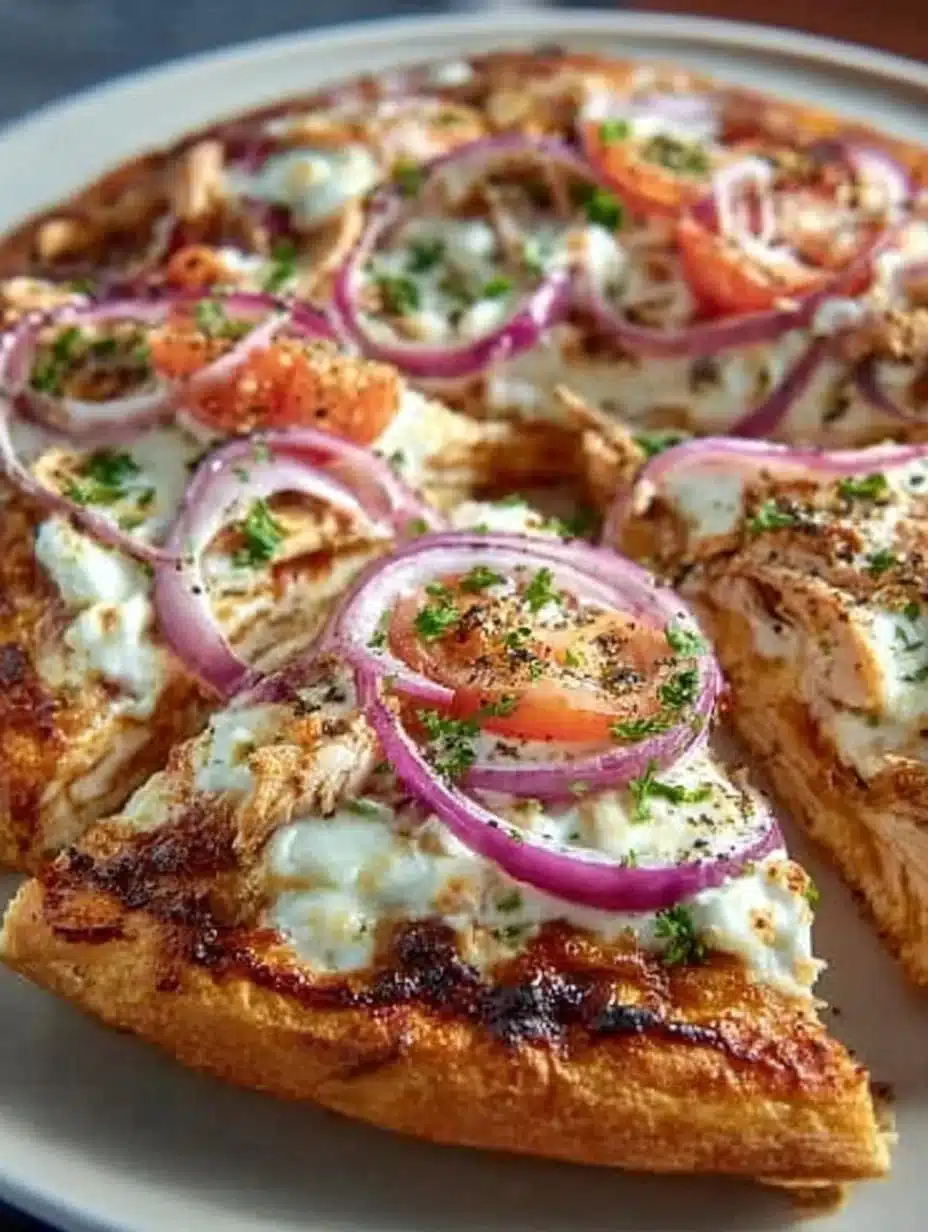
High Protein Greek Yogurt Pizza Crust sings with a tender rim and a chewy, protein-rich crumb. This crust is quick to make and skips long rises by relying on thick Greek yogurt and a bit of gluten or vital wheat gluten to build structure. After testing this version 10 times with whole-milk and low-fat yogurts, and trying both all-purpose flour and added vital wheat gluten, I landed on a formula that balances chew, rise, and nutrition. I perfected the timing while developing quick-weeknight recipes for busy home cooks, so you get consistent results without fuss. Read on for a clear ingredient breakdown, step-by-step instructions with exact metric and imperial measures, and pro tips that stop common mistakes before they happen.
Why This Recipe Works
- Thick Greek yogurt adds tang, moisture, and protein, which keeps the crust tender while boosting protein per slice.
- Vital wheat gluten (optional) strengthens the dough’s gluten network so the crust holds toppings without becoming dense.
- A short rest lets the flour hydrate fully, preventing gummy centers and improving stretch.
- Moderate oven heat creates a crisp bottom while keeping the interior chewy.
- A small amount of olive oil improves browning and gives a crisp edge.
Ingredients Breakdown
- Plain Greek yogurt — 300 g (1 1/4 cups). Use full-fat yogurt for richness and better texture. Using low-fat will make the crust slightly drier; add 1–2 tbsp water if the dough feels stiff.
- All-purpose flour — 200 g (1 1/2 cups). This is the main structure builder. Substituting whole-wheat will make the crust denser and nuttier; increase flour by 10–15 g and expect longer baking.
- Vital wheat gluten — 30 g (1/4 cup) — optional but recommended for a chewier, higher-protein crust. If you omit it, the dough will be softer and may tear more easily.
- Baking powder — 1 tsp (4 g). Adds lift and prevents a flat crust.
- Fine sea salt — 1/2 tsp (3 g). Enhances flavor; do not skip. If using Morton kosher salt, increase to 3/4 tsp (it’s denser).
- Olive oil — 1 tbsp (15 ml). Helps with browning and elasticity.
- Optional: 1 tsp honey or sugar (7 g) to aid browning and feed any residual yeast in flour — not required.
- Toppings: your choice. Keep total toppings light (about 150–200 g / 5–7 oz per pizza) to avoid sogginess.
Note on substitutions: You can make a dairy-free crust by swapping full-fat Greek yogurt for a thick, unsweetened dairy-free yogurt, but texture and protein content will change. For a gluten-free version, see the Variations section — expect a different crumb and longer bake time.
Essential Equipment
- Large mixing bowl and spatula or wooden spoon.
- Digital scale (preferred) for best consistency. If you must use cups, measure loosely recommended volumes.
- Rolling pin or your hands for shaping. A rolling pin yields a thinner, even crust.
- 10–12 inch (25–30 cm) pizza pan, pizza stone, or cast-iron skillet. A hot pizza stone gives the best crisp bottom. Preheat stone in oven.
- Parchment paper for easy transfer and cleanup.
- Oven thermometer (optional) — many home ovens run hot or cold; this helps hit the correct bake temp.
Prep Time: 15 minutes | Cook Time: 12 minutes | Inactive Time: None | Total Time: 27 minutes | Servings: 4 (1/4 pizza per serving)
Step 1: Combine the wet ingredients
In a large bowl, whisk 300 g (1 1/4 cups) plain Greek yogurt with 1 tbsp (15 ml) olive oil and 1 tsp (4 g) baking powder until smooth, about 30 seconds. If using honey, add it now. This blends the leavening into the yogurt so it disperses evenly.
Step 2: Mix in dry ingredients
Add 200 g (1 1/2 cups) all-purpose flour, 30 g (1/4 cup) vital wheat gluten (optional), and 1/2 tsp (3 g) fine sea salt. Stir with a spatula until a shaggy dough forms, about 45–60 seconds. Do not overmix — stop as soon as no dry flour is visible.
Step 3: Knead and rest briefly
Turn dough onto a lightly floured surface and knead 6–8 times until smooth, about 1 minute. The dough should be tacky but not overly sticky; add up to 15 g (1 tbsp) flour if too wet. Let the dough rest on the counter for 10 minutes to hydrate the flour and relax the gluten.
Step 4: Shape the crust
Divide the dough into two equal pieces for two smaller pizzas or keep whole for one 12-inch pizza. Press or roll each piece out to about 23–25 cm (9–10 inches) thickness you prefer, leaving a slightly thicker rim. If using a pizza stone, transfer the dough to parchment for easy sliding.
Step 5: Par-bake for structure
Preheat the oven to 230°C (450°F) and, if using, the pizza stone for at least 30 minutes. Par-bake the crust for 6 minutes, until the surface is set and just starting to color. This step prevents soggy centers when you add toppings.
Step 6: Top and finish baking
Add sauce and toppings, keeping total topping weight moderate (150–200 g / 5–7 oz per pizza). Bake at 230°C (450°F) for another 6–8 minutes, until cheese is bubbling and the crust edge is golden brown. Internal doneness is visual: crust should be firm with a crisp bottom when tapped.
Expert Tips & Pro Techniques
- Use a digital scale for consistency. Small weight changes affect hydration and texture more than you expect.
- Common mistake: adding too many toppings. Avoid sogginess by limiting sauce and heavy wet toppings. If toppings are watery (e.g., fresh tomatoes), blot them dry first.
- If dough tears while shaping, let it rest 5 more minutes — the gluten will relax and it will stretch without snapping.
- Make-ahead: Shape and par-bake crusts, cool completely, then stack with parchment between. Refrigerate for up to 48 hours or freeze for up to 2 months. Reheat from frozen in a 200°C (400°F) oven for 8–10 minutes.
- Pro technique for home ovens: preheat a cast-iron skillet or pizza stone for at least 30 minutes. A hot surface gives immediate oven spring and a crisp bottom similar to pizzerias.
- To boost protein without changing texture, fold 1–2 tbsp (8–16 g) unflavored whey protein isolate into the flour before mixing. This slightly dries the dough; add 1 tsp (5 ml) extra olive oil or 1 tbsp yogurt if needed.
Storage & Reheating
- Refrigerator: Store cooled, cooked pizza in an airtight container or wrapped in foil for up to 3 days. Reheat in the oven for best texture.
- Freezer: Fully baked slices freeze well for up to 2 months. Wrap tightly in plastic and foil or use freezer bags with as much air removed as possible. Thaw overnight in the fridge before reheating.
- Reheating: Reheat slices on a baking sheet or pizza stone in a 175°C (350°F) oven for 8–12 minutes, until warmed through and crisp. Avoid microwaving — it makes the crust soft and rubbery.
Variations & Substitutions
- Gluten-Free Version: Replace all-purpose flour with a 1:1 gluten-free flour blend (such as Bob’s Red Mill). Add ½ tsp xanthan gum. Baking time may increase by 2–4 minutes and texture will be more tender than chewy.
- Lower-Carb / Higher-Protein: Replace 50 g (1/3 cup) AP flour with 50 g (1/3 cup) vital wheat gluten and reduce total flour to 150 g (1 1/4 cups). Expect a chewier texture and higher protein per slice.
- Veggie-Forward: Mix 2 tbsp (30 g) finely grated roasted zucchini or carrot into the dough for moisture and subtle sweetness. Reduce added water if dough becomes sticky.
- Thin-Crust Skillet: Press dough very thin and cook in a hot, lightly oiled cast-iron skillet for a rustic, blistered crust. Par-baking is optional; cook 3–4 minutes on the stovetop over medium-high, then finish under the broiler for 2 minutes.
- Flavor Boost: Add 1 tsp dried oregano and 1/2 tsp garlic powder into the dry ingredients for herby depth without changing function.
Serving Suggestions & Pairings
- Serve with a crisp green salad dressed in lemon vinaigrette to balance the richness.
- Pair with roasted vegetables like broccolini or a warm farro salad for a complete meal.
- Beverage pairing: a bright, acidic white like Sauvignon Blanc or a citrusy IPA cuts through the yogurt’s tang.
- Garnish ideas: finish with fresh basil, chili oil, or a drizzle of extra-virgin olive oil right before serving. (Pair with our Garlic Roasted Potatoes for a heartier spread.)
Nutrition Information
Serving size: 1/4 pizza (1 of 4) — yields 4 servings total. Nutrition values are estimates. Actual values may vary based on specific ingredients and preparation methods.
Per serving (estimate):
- Calories: 315 kcal
- Total Fat: 8 g
- Saturated Fat: 3.5 g
- Cholesterol: 15 mg
- Sodium: 350 mg
- Total Carbohydrates: 40 g
- Dietary Fiber: 2 g
- Sugars: 4 g
- Protein: 18 g
Nutrition values are estimates. Actual values may vary based on specific ingredients and preparation methods.
Frequently Asked Questions
Q: Why did my crust turn out gummy in the center?
A: Gummy centers usually mean the dough was underbaked or the toppings were too wet. Par-bake the crust for 5–7 minutes before adding toppings and avoid heavy, watery toppings.
Q: Can I make this without eggs?
A: Yes. This recipe contains no eggs. The protein and structure come from Greek yogurt and optional vital wheat gluten.
Q: Can I double this recipe?
A: Yes. Double all ingredients and mix in a larger bowl. If making multiple pizzas, bake one at a time or use multiple racks and rotate them halfway through.
Q: Can I prepare this the night before?
A: Yes. Mix and shape the dough, then par-bake and cool. Store covered in the fridge and finish with toppings the next day. Par-baked crusts keep 24–48 hours refrigerated.
Q: How long does this keep in the fridge?
A: Fully baked pizza keeps well in the fridge for up to 3 days in an airtight container. Reheat in the oven for best texture.
Q: Can I use store-bought Greek yogurt pizza dough or base?
A: You can, but store-bought doughs vary widely in hydration and protein. If using a bought dough, adjust bake time and expect different texture.
Q: Is this crust good for thin-crust or deep-dish styles?
A: This formula is best for thin to medium crusts. For deep-dish, increase dough volume and bake longer at a slightly lower temperature to cook through.
Conclusion
This recipe gives you a fast, protein-forward crust that behaves like a classic pizza base but with extra nutrition and less fuss. For more variations and a slightly different method using only yogurt and self-rising flour, try the tested Greek yogurt dough on Something Nutritious’ Greek Yogurt Pizza Dough, or explore a simple, beginner-friendly version at Nourished by Nic’s Easy Greek Yogurt Pizza Dough. Enjoy customizing this crust to your tastes — it’s versatile, fast, and satisfying.
Print
Greek Yogurt Pizza Crust
- Total Time: 27 minutes
- Yield: 4 servings 1x
- Diet: Vegetarian
Description
Fast and easy Greek yogurt pizza crust that is high in protein and delivers a tender, chewy base without long rises.
Ingredients
- 300 g (1 1/4 cups) plain Greek yogurt
- 200 g (1 1/2 cups) all-purpose flour
- 30 g (1/4 cup) vital wheat gluten (optional)
- 1 tsp (4 g) baking powder
- 1/2 tsp (3 g) fine sea salt
- 1 tbsp (15 ml) olive oil
- 1 tsp (7 g) honey or sugar (optional)
- Toppings of your choice (150–200 g / 5–7 oz per pizza)
Instructions
- Combine the wet ingredients: In a large bowl, whisk Greek yogurt with olive oil and baking powder until smooth, about 30 seconds.
- Mix in dry ingredients: Add flour, vital wheat gluten, and fine sea salt. Stir until a shaggy dough forms, about 45–60 seconds.
- Knead and rest briefly: Turn dough onto a lightly floured surface and knead 6–8 times until smooth. Let rest on the counter for 10 minutes.
- Shape the crust: Divide the dough into two equal pieces or keep whole for one pizza. Roll out to 9–10 inches in thickness.
- Par-bake for structure: Preheat oven to 450°F (230°C) and par-bake the crust for 6 minutes.
- Top and finish baking: Add sauce and toppings, then bake for another 6–8 minutes until the crust is golden brown.
Notes
Avoid sogginess by not overloading with toppings. A pizza stone or cast-iron skillet can improve crispness.
- Prep Time: 15 minutes
- Cook Time: 12 minutes
- Category: Main Course
- Method: Baking
- Cuisine: Mediterranean
Nutrition
- Serving Size: 1 serving
- Calories: 315
- Sugar: 4g
- Sodium: 350mg
- Fat: 8g
- Saturated Fat: 3.5g
- Unsaturated Fat: 4g
- Trans Fat: 0g
- Carbohydrates: 40g
- Fiber: 2g
- Protein: 18g
- Cholesterol: 15mg

Written by Anna
Anna is the founder and recipe developer behind Chroka Recipes. She creates easy, restaurant-quality homemade recipes — from comforting dinners and decadent desserts to healthy salads and quick breakfasts. With 2,200+ published recipes, Anna helps home cooks discover their next favorite dish.